Road Trip & RV Travel Insurance
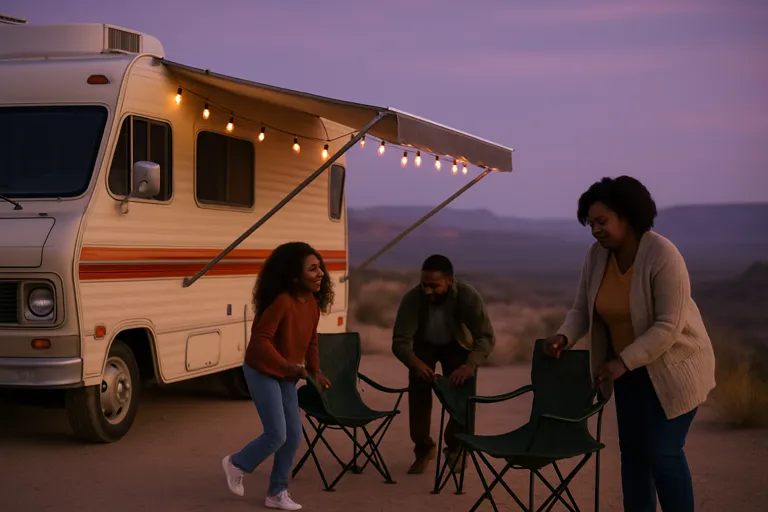
Travel insurance for a road trip covers the parts of the trip your auto policy ignores: prepaid cabins, lodges, tours, and campsites if you have to cancel; the cost of getting home if the trip falls apart midway; and medical bills your health plan won't fully pay far from home. The car is your auto insurer's problem. The trip is what we insure.
That distinction confuses more people than anything else about road trip coverage, so let's take it apart properly.
Doesn't my auto insurance already cover a road trip?
It covers the driving. Your existing auto policy follows you across state lines — liability, collision, comprehensive, whatever you carry at home applies in Utah the same as in your own driveway. Travel insurance doesn't duplicate any of that, and it won't fix your transmission in Tulsa either. Mechanical breakdown is a roadside-assistance problem, not a travel insurance claim.
What your auto policy has never once paid for: the $1,800 non-refundable beach house you couldn't reach. The lodge deposit you forfeited when your dad went into the hospital two days before departure. The emergency room bill from a clinic three states away that your health plan treated as out-of-network. That's the territory travel insurance actually works in.
What travel insurance adds to a driving trip
Trip cancellation. If you've prepaid anything non-refundable (vacation rentals, national park lodges, guided tours, event tickets, festival passes) a comprehensive policy refunds those penalties when you cancel for a covered reason. Illness, injury, a death in the family, losing your job. The mode of transportation doesn't matter to the cancellation benefit at all; a prepaid cabin is a prepaid cabin whether you were flying or driving to it.
Trip interruption. This one earns its keep on road trips. Say you're eight days into a three-week loop through the Southwest and your mother-in-law is hospitalized back home. Trip interruption coverage reimburses the unused, prepaid portion of the trip and pays the additional cost of getting home fast, which might mean abandoning the planned route and buying last-minute one-way flights while the car gets sorted out later.
Travel delay. Road closures, floods, a traffic accident that lands someone in urgent care, if a covered delay forces surprise hotel nights and meals, travel delay coverage reimburses those expenses up to the policy limit. And here's a detail worth knowing: comprehensive plans generally cover you from the moment you leave home, not from hotel check-in. The industry calls it driveway-to-driveway coverage. Day one on the interstate counts.
Medical coverage. People assume domestic travel means their health insurance has them covered. Sometimes. We wrote a whole piece on travel insurance for domestic trips because the reality is messier — narrow-network plans and HMOs can treat an ER visit in another state as out-of-network, which means higher deductibles and coinsurance, or coverage for true emergencies only. Travel medical benefits fill that gap, and on our plans you can set the trip cost low if cancellation coverage isn't what you're after and buy the plan mostly for the medical side.
The remote-country problem
A road trip through Manhattan doesn't need medical evacuation coverage. A road trip through the Dalton Highway, the Big Bend backcountry, or a September loop of the Utah canyon parks is a different conversation.
The issue isn't the quality of care, it's the distance to it. Get seriously hurt hiking eleven miles from the trailhead, or roll an ATV outside a town whose clinic can't handle trauma, and you may need helicopter transport to a hospital that can. Those flights bill in the tens of thousands, and health insurance often pays little or none of it. Medical evacuation coverage exists for exactly this, and it's cheap relative to what it protects. If your itinerary is built around wilderness, it's the single benefit I'd prioritize.
National park itineraries deserve real coverage
Park trips look casual and book like luxury travel. Lodges inside Yellowstone, Glacier, and the Grand Canyon sell out close to a year ahead, carry real cancellation penalties, and sit at the end of long drives through areas with thin cell service and thinner medical infrastructure. Add prepaid rafting trips, mule rides, and photography tours and a family can have $6,000-$8,000 committed before leaving the driveway.
That's a trip worth insuring like any flight-based vacation: cancellation for the prepaid pieces, interruption to protect the back half of a multi-park loop, medical and evacuation for the remote stretches. At the usual 4-8% of insured trip cost, a policy on a $7,000 park itinerary runs a few hundred dollars.
RV rentals: read this part twice
Here's the distinction that catches people. The optional rental car damage coverage sold with travel insurance plans is written for passenger cars. RVs, motorhomes, campervans, and trailers are typically excluded from that rider, along with trucks over a certain size, motorcycles, and exotic cars. Buying the rental damage add-on for your Class C rental usually buys you nothing for the RV itself.
So where does RV damage protection come from? Three places, none of them us: the rental company or peer-to-peer platform's own damage packages, your personal auto policy (some extend to RV rentals, many don't — ask your agent directly), or a credit card benefit, which almost always excludes vehicles of that size anyway.
What travel insurance still does for an RV trip is everything else: the non-refundable rental cost itself if you have to cancel, prepaid campground and resort fees, interruption, delay, medical, evacuation. Insure the trip with us; insure the vehicle's sheet metal through the rental company or your auto insurer.
When to honestly skip it
We sell this stuff, and even we'll tell you plenty of road trips don't need it. Skip travel insurance when:
- You're driving your own car and nearly everything is refundable or pay-at-arrival. Flexible-rate hotels, campgrounds with 48-hour cancellation, no prepaid tours. There's no financial loss to insure.
- You're staying with family or friends. Gas and groceries aren't insurable trip costs.
- You're staying close to home, inside your health network, on a short trip. The medical gap mostly isn't there.
The honest test: add up what you'd lose if you canceled the night before, plus how bad a medical surprise could get where you're going. If both numbers are small, keep your money. If either one makes you wince, a policy at 4-8% of the prepaid cost is reasonable protection, and if firm plans feel shaky, Cancel For Any Reason is available on road trips just like any other trip, bought within the time-sensitive window after your first deposit.
Not sure where your trip lands? Send us the itinerary (support@tripinsurance.com, or 877-389-4446, Monday-Friday 9 to 5 Pacific) and we'll tell you what's worth insuring and what isn't.
Frequently asked questions
Can you buy travel insurance for a road trip with no flights?
Yes. Comprehensive plans insure any prepaid, non-refundable trip arrangements — vacation rentals, lodges, tours, campsites — regardless of how you travel. A few benefits tied to common carriers (like missed connection) simply won't apply. Coverage on most plans starts when you leave home, so the driving days are covered, not just the destination.
Does travel insurance cover my car breaking down?
No. Mechanical breakdown, flat tires, and towing are roadside-assistance and auto-policy territory. What travel insurance can cover is the fallout: extra hotel nights during a covered delay, or unused prepaid bookings if a covered event like an injury interrupts the trip. The repair bill itself is never a travel insurance claim.
Does the rental car damage option cover a rented RV?
Almost never. The rental damage riders on travel insurance plans are written for passenger cars and typically exclude motorhomes, campervans, and trailers. Cover the RV through the rental company's damage package or your own auto insurer, and use travel insurance for the trip costs, medical, and interruption side.
Is travel insurance worth it for a national park trip?
Often, yes. Park lodges book up to a year out with real cancellation penalties, itineraries include prepaid tours, and the settings are remote enough that evacuation coverage genuinely matters. If you've got thousands prepaid and days planned far from a hospital, insure it. A cheap weekend of camping? Probably not worth it.
Will my health insurance work in another state?
For true emergencies, generally yes, but narrow-network plans and HMOs may pay out-of-network rates or nothing for care that isn't deemed emergency, leaving you with much bigger bills than at home. Travel medical benefits on a comprehensive plan help fill that gap. Check your health plan's out-of-area rules before a long trip.
How much does road trip travel insurance cost?
The same baseline as any comprehensive plan: roughly 4-8% of your insured prepaid trip cost, with traveler age the second-biggest factor. Insuring $3,000 of bookings usually runs somewhere between $120 and $240. If you mainly want medical and evacuation coverage rather than cancellation, the price drops considerably.