Does Travel Insurance Cover Skiing, Scuba & Adventure Activities?
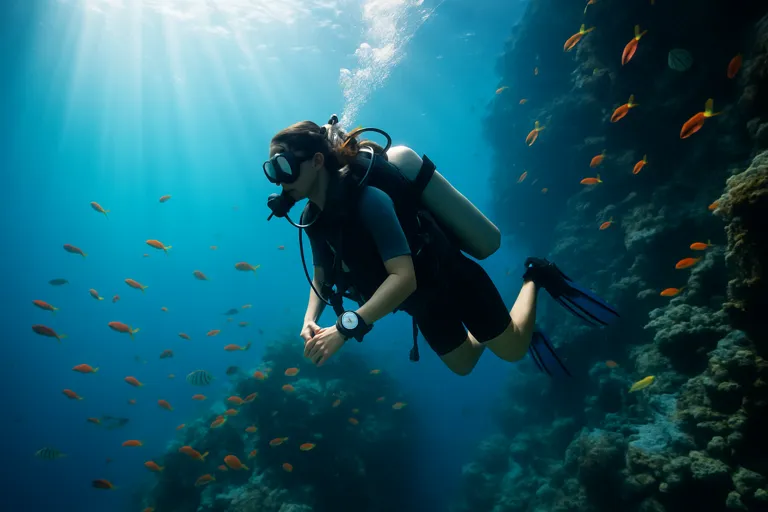
Usually, yes, for the mainstream stuff. Recreational skiing on marked runs, snorkeling, kayaking, horseback riding, and zip-lining with a licensed operator are covered by many standard plans. But every policy carries a hazardous-activity exclusion, and it catches scuba below your certification depth, off-piste skiing, and mountaineering unless you add an adventure rider.
That's the short answer. The long one (how riders work, exactly where insurers draw the lines, what to check before you buy) lives in our full guide to adventure sports coverage. This page is the quick version: what's fine, what's not, and what fixes the gap.
Why does the answer depend on the activity?
Travel insurance is priced for the average traveler, whose riskiest planned activity is driving a rental car. To keep premiums in the normal 4-8%-of-trip-cost range, underwriters carve out the activities that produce the biggest medical and evacuation claims. Those carve-outs are the hazardous-activity exclusion, and they read like a bucket list on purpose: mountaineering, hang gliding, scuba below certain depths, skiing outside marked trails.
Here's the rule worth memorizing. If you can't find your activity affirmatively covered, in the base plan or a rider, assume it's excluded. Adjusters read those lists literally. "Canyoning wasn't mentioned" resolves to a denial, not to the benefit of the doubt.
And the exclusion doesn't trim the claim. It deletes it. Get hurt doing an excluded activity and the medical benefit, the evacuation benefit, and the accidental death coverage all deny together. Your cancellation and baggage coverage keep working, because they don't touch the injury. Everything that does touch it is gone.
What's typically covered without any rider?
The ordinary vacation-activity tier. Plans vary — this is the pattern, not a promise — but most comprehensive policies cover:
- Resort skiing and snowboarding on marked, open trails. It's mainstream enough that many standard plans include it outright. (Ski trips have their own set of problems beyond injury — see our ski trip insurance guide.)
- Snorkeling. Surface swimming with a mask is not scuba, and policies treat it that way.
- Recreational biking, hiking on established trails, kayaking, paddleboarding.
- Horseback riding, jet skiing, parasailing with a commercial operator, commonly fine, though these sit close enough to the line that it's worth confirming in your plan's documents.
- Certified recreational scuba, on some plans. A number of base plans cover diving if you hold PADI or NAUI certification or dive with a certified instructor, within your certification depth. Some don't. This one you check every time.
Notice what unites that list: commercial operators, marked trails, shallow water, low altitude. The closer your version of an activity stays to the resort brochure, the more likely it's covered as-is.
What's typically excluded from a standard plan?
The same activities, done more seriously, plus a tier that's excluded everywhere:
- Off-piste and backcountry skiing, heli-skiing, extreme skiing. The boundary rope at a resort is a coverage line. Duck it and you may have skied out of your policy.
- Scuba below your certification depth or the plan's stated depth limit. An open-water diver at technical depths is outside coverage even on dive-friendly plans.
- Mountaineering with ropes and technical gear, and often trekking above a stated altitude ceiling. Classic routes like Everest Base Camp sit above some policies' limits — find the altitude number before you book, not at the clinic.
- Hang gliding, paragliding, bungee jumping, caving, whitewater above certain classes, motor racing. Coverage runs from "rider required" to "never," plan by plan.
- Never covered, rider or no rider: piloting or learning to pilot an aircraft, professional and organized competitive sports, and any injury sustained while intoxicated. No upgrade exists for those.
How do you fix the gaps? Adventure riders
An adventure or hazardous-sports rider buys back the exclusion for a defined list of activities, keeping medical, evacuation, and AD&D benefits in force while you do them. Four things matter:
- Buy it with the policy. Riders generally can't be added later, not the week before the glacier hike, not ever.
- It covers what it names. A rider listing scuba and zip-lining doesn't cover paragliding. Match the list to your real itinerary, including the maybe-activities you'll decide on once you're there.
- Conditions survive the rider. Certification requirements, depth and altitude limits, licensed-guide rules. Break a condition and you've rebuilt the exclusion yourself.
- Check the limits, not just the checkbox. A rider that restores coverage but caps medical at $25,000 is a half-measure for a remote trip.
The evacuation stakes, the number that should drive the decision
For adventure trips, the medical bill is rarely the scary number. The transport is. Treating a broken ankle costs little; getting a broken ankle off a mountain, out of a jungle, or from a dive site to a hyperbaric chamber routinely runs from tens of thousands of dollars into six figures. If your injury came from an excluded activity, that entire bill is yours — the helicopter company will want a credit card guarantee while you're still on the stretcher.
So if your trip goes anywhere remote, treat the evacuation limit as the most important number in the plan, confirm the adventure rider extends to evacuation and not just medical expenses, and know the difference between being transported and being found. Evacuation coverage moves you once you're located and in the medical system. Locating you is search and rescue coverage, which is a separate benefit with separate limits.
A 60-second pre-trip check
Honestly, most adventure-coverage disasters are preventable with one boring evening of reading. Do this:
- Write down every activity you might plausibly do.
- Find each one named as covered, base plan or rider. No match, no coverage.
- Note the conditions: certification, depth, altitude, marked trails, licensed guides.
- Confirm evacuation limits fit the remoteness of the trip.
- Buy the rider at the same time as the plan.
If you'd like a second set of eyes on whether a plan actually covers your itinerary, send us an email at support@tripinsurance.com or call 877-389-4446 (Monday-Friday, 9-5 Pacific). We're happy to walk through the activity lists with you, even if you end up buying elsewhere.
Frequently asked questions
Does travel insurance cover skiing?
Recreational downhill skiing on marked, open resort trails is covered by many standard plans without any rider. Off-piste, backcountry, extreme, and heli-skiing are classic exclusions that require specific adventure coverage. The marked-trail boundary is effectively the coverage boundary, so know which side of it your plan covers before you duck the rope.
Does travel insurance cover scuba diving?
Sometimes in the base plan, usually with conditions: PADI or NAUI certification (or diving with a certified instructor) and staying within a depth limit — either a stated number or the depth your certification allows. Diving deeper than that, or without certification, puts your medical and evacuation claims outside coverage even on dive-friendly plans.
Is snorkeling considered a hazardous activity?
No. Snorkeling is surface swimming, and policies treat it as an ordinary vacation activity, covered by standard plans. The line gets drawn where the tank comes out, scuba triggers certification and depth conditions that snorkeling never does. Jet skiing and parasailing with commercial operators are also generally fine, but confirm them in your plan documents.
What happens if I'm injured doing an excluded activity?
Every benefit that touches the injury denies at once: medical expense, medical evacuation, and accidental death and dismemberment. You'd owe the hospital and the evacuation company personally, and evacuations can run into six figures. The policy's unrelated benefits, like trip cancellation and baggage, keep working. The exclusion removes the claim entirely; it doesn't reduce it.
Can I add adventure coverage after buying my policy?
Generally no. When adventure coverage is an optional rider, insurers require it to be purchased at the same time as the plan. If there's any chance your trip includes adventurous activities, even ones you haven't committed to yet, buy the coverage up front rather than betting you can add it once plans firm up.
Do adventure riders cover competitions?
Almost never. Organized competitive sports and anything professional are excluded across the industry, rider or not. The same goes for piloting aircraft and for injuries sustained while intoxicated. Adventure riders are built for recreational participation in listed activities under the plan's conditions (certification, guides, depth and altitude limits) not for racing or prize money.