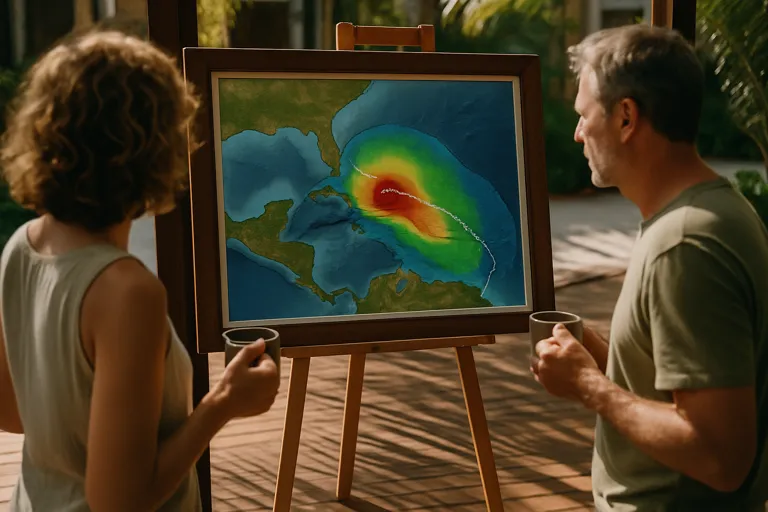
Hurricane Travel Insurance: Why Timing Is Everything
Travel insurance covers hurricanes, but only if you bought your policy before the storm was named. Once the National Hurricane Center gives a storm a name, it becomes a "known event," and no policy purchased afterward will cover losses from it. That single rule decides most hurricane claims. Everything else is detail.
But the details matter, because hurricane coverage pays for less than most travelers assume. And the gap between what people expect and what the policy language says is where the heartbreak lives.
The named-storm rule
Insurance covers unknown risks. That's the whole business. The moment a tropical depression gets upgraded and named, it stops being unknown, and the claims department will compare your policy purchase date against the date the storm was named. Purchased before? Covered. After? Denied. Every time, no exceptions, no matter how sympathetic the story.
This prevents the obvious move: watching a Category 4 churn toward your resort and buying insurance on your phone while it approaches. The insurers closed that door decades ago.
The practical takeaway is simple. If you're traveling anywhere near hurricane season, Atlantic season runs June 1 to November 30, buy your travel insurance the same week you book the trip. The plan costs the same whether you buy it early or late. Buying early just means it covers more.
What hurricane coverage actually pays for
Hurricane protection isn't one benefit. It's several provisions scattered through the policy, and you want a plan that has all of them. The two big ones:
Your destination becomes uninhabitable. If a natural disaster renders your hotel, resort, or destination accommodations uninhabitable — building damage, no power, no water, safety hazards — you can cancel and recover your non-refundable costs. Here's actual policy language from a plan we sell, because the definitions are stricter than you'd guess: the property qualifies if "the building structure itself is unstable," there's "exterior or structural damage allowing elemental intrusion," "immediate safety hazards have yet to be cleared," or "the property is without electricity or water." Note what's missing from that list: an ugly beach, a closed pool, a ruined view.
Travel warnings and inclement weather. This provision typically covers you when weather causes a complete shutdown of your airline or cruise line for 12+ consecutive hours, a government shuts down the airport, local authorities order a mandatory evacuation of your destination, or your destination comes under an official NOAA hurricane warning close to your departure date (most policies require your purchase to predate the warning by 14+ days).
Trip delay and trip interruption benefits also earn their keep during hurricane season — extra hotel nights when your connection shuts down, reimbursement for the unused portion of your trip if you have to come home early.
What it will never cover: the "bad vacation" problem
No travel insurance policy covers a ruined vacation without a financial loss. We've reviewed these scenarios directly with carriers' claims departments over the years, and two real cases explain the line better than any definition.
A couple was at a Caribbean resort when a hurricane veered off its forecast track and slammed their island. Power gone, water gone, airport closed. They spent days eating peanut butter sandwiches supplied by the hotel, sitting in a dark room. On their scheduled departure day the airport reopened and their flight left on time. Their claim: zero. The vacation was miserable, but every prepaid service was technically delivered. No financial loss, no payout. There is no insurance anywhere that covers "a bad vacation."
Second case. A couple bought insurance months before Hurricane Irma was named, so they were covered for Irma. Their November cruise visited three islands the storm had flattened. The islands couldn't possibly recover in time. Could they cancel? No. The cruise ship was their accommodation, and it was fine. No hurricane warning existed in November. No provision applied. Their only real option was asking the cruise line to swap itineraries.
The pattern: coverage follows specific policy clauses tied to specific financial losses. It doesn't follow disappointment, and it doesn't follow common sense about what "should" be covered.
If you want to cancel because a storm might come
Standard coverage can't help you cancel over a forecast, a hunch, or a storm that hasn't been named. For that you need Cancel For Any Reason coverage, the upgrade that pays 75% of your costs when you cancel for reasons no standard policy lists. During hurricane season, CFAR is what buys you the right to look at the forecast ten days out and just say no.
One more thing we do that nobody else in travel insurance does: every policy sold on TripInsurance.com comes with free enrollment in e-Travel Alerts — up-to-the-minute notifications about anything developing that could affect your trip, from airport delays to a storm organizing near your destination. During hurricane season, hearing about a system a day before it makes the news is exactly the head start you want. And since 2013 we've offered the alerts free to anyone who wants them, customer or not.
Frequently asked questions
Does travel insurance cover hurricanes?
Yes, if you purchased your policy before the storm was named. Coverage typically includes trip cancellation when your destination is rendered uninhabitable, when carriers shut down for 12+ hours, when authorities order evacuation, or when a NOAA hurricane warning covers your destination near departure.
Can I buy travel insurance after a hurricane is named?
You can buy a policy, but it won't cover anything related to that named storm, it's a known event. It would still cover unrelated risks, including a different storm named after your purchase date.
Will insurance pay if my resort is damaged but still open?
Generally no. Policies pay when accommodations are "uninhabitable" under strict definitions: structural instability, elemental intrusion, uncleared safety hazards, or no power/water. Damaged-but-operating usually doesn't qualify.
What if my flight is cancelled by a hurricane?
Weather-related complete cessation of your airline's services for 12+ consecutive hours is a covered cancellation/delay reason on most comprehensive plans. Shorter delays fall under trip delay benefits, which reimburse meals and lodging up to the policy limit.
Can I cancel my trip because a hurricane is forecast to hit my destination?
Not under standard coverage — forecasts and unnamed storms aren't covered reasons. A NOAA hurricane warning at your destination within 36 hours of departure can trigger coverage on some plans. For the freedom to cancel on a forecast alone, you need Cancel For Any Reason coverage.
When should I buy travel insurance for a hurricane-season trip?
Within days of your first trip deposit. You get maximum named-storm protection, and buying within 14-21 days of that deposit also preserves time-sensitive benefits like the pre-existing condition waiver and CFAR eligibility.