Does Travel Insurance Cover Hurricanes?
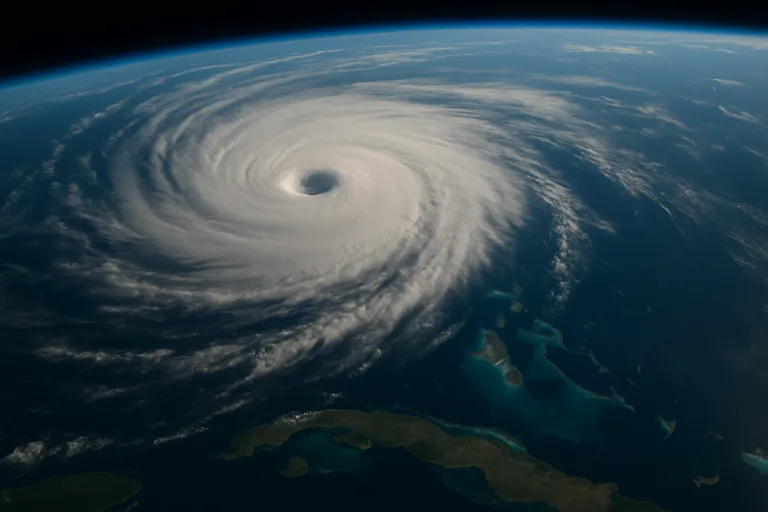
Yes — travel insurance covers hurricanes, with one enormous condition: you must have bought your policy before the storm was named. Once the National Hurricane Center names a storm, it's a "known event," and no policy purchased afterward covers it. Buy early and you're protected for cancellation, interruption, and delays the storm causes.
That's the answer in three sentences. The mechanics take a little longer, and if you're planning a trip during hurricane season, they're worth five minutes. For the full treatment (real claim stories, actual policy language, the "bad vacation" problem) see our complete guide to hurricane travel insurance. This page covers the question most people are actually asking: will I be covered, and what has to happen for the policy to pay?
The named-storm rule, in plain English
Insurance only covers unknown risks. The moment a tropical system gets a name, it stops being unknown. Claims adjusters check exactly one thing on a hurricane claim: your policy purchase date versus the date the storm was named. Bought before? You're covered. After? Denied, every time, regardless of how sympathetic the circumstances.
And no, you can't outsmart it. Watching a Category 3 track toward your resort and buying a policy on your phone is the precise move this rule was written to stop.
The fix costs nothing: buy your travel insurance the same week you book the trip. The premium is identical whether you buy ten months out or ten days out. Buying early just means the policy covers more. (This same logic applies to several other benefits, here's when to buy travel insurance and why the clock matters.)
The three triggers that make a hurricane claim pay
"Hurricane coverage" isn't a single benefit. It's a handful of provisions scattered through the policy, and three of them do almost all the work.
1. Your destination becomes uninhabitable. If the storm renders your hotel, resort, or rental genuinely unlivable — structural damage, no power, no water, uncleared safety hazards — you can cancel and recover your prepaid, non-refundable costs. The definitions are strict. Damaged-but-open doesn't qualify. Neither does a wrecked beach or a closed pool.
2. Your carrier shuts down. Weather that causes a complete cessation of your airline's or cruise line's services for 12 or more consecutive hours is a covered cancellation reason. So is a government-ordered airport closure or a mandatory evacuation of your destination. Shorter disruptions fall to travel delay coverage, which reimburses hotels and meals while you wait it out.
3. A hurricane warning is issued for your destination. Many plans let you cancel when NOAA issues an official hurricane warning for your destination close to your departure date — though most require that you purchased the policy well before the warning existed, commonly 14 or more days.
One more trigger people forget: your home. If a hurricane makes your own residence uninhabitable while you're away, or right before you leave, trip interruption coverage can get you home and reimburse the unused portion of your trip. You can be cruising the Greek islands while the storm hits Florida, and the coverage still works.
What if the forecast just looks bad?
Here's the gap in standard coverage. A storm is forming. It doesn't have a name yet, or it does but your destination has no warning, no evacuation, no shutdown. You look at the spaghetti models and want out.
Standard trip cancellation can't help you. Forecasts, hunches, and near-misses aren't covered reasons, the policy needs one of those concrete triggers above. If you want the right to cancel because a hurricane might come, that's Cancel For Any Reason coverage. CFAR pays 75% of your non-refundable costs for any cancellation at all, made 48+ hours before departure. It must be added within your plan's time-sensitive window after your initial trip deposit, typically 14 to 21 days, so it's another argument for buying early. During hurricane season, CFAR is what lets you look at the forecast ten days out and simply say no.
What travelers get wrong
The claims that fail usually fail the same few ways:
- Buying after the storm is named. The big one. No exceptions.
- Assuming a passed storm still counts. Once the hurricane has moved through and evacuation orders are lifted, you can't cancel, unless your lodging was left genuinely uninhabitable.
- Expecting payment for a diminished trip. The hurricane grazed your island, the resort is gloomy, half the excursions are cancelled, but the flights flew and the hotel operated. No financial loss, no claim. There's no insurance for a disappointing vacation.
- Assuming every plan covers hurricanes. Most comprehensive plans list hurricanes under natural disasters, but read the certificate. If severe weather isn't a listed cancellation reason, that plan isn't the one for a September Caribbean trip.
One thing we add that helps here: every policy sold on TripInsurance.com includes free enrollment in e-Travel Alerts — up-to-the-minute notifications about developments that could affect your trip, including tropical systems organizing near your destination, often before they make the news. We've offered the alerts free to anyone since 2013, customer or not.
If you're booking a trip that touches hurricane season and want a plan with all three triggers plus CFAR eligibility intact, email support@tripinsurance.com or call 877-389-4446 (Mon-Fri, 9-5 Pacific) and we'll point you at the right options.
Frequently asked questions
Does travel insurance cover hurricanes?
Yes, if you purchased the policy before the storm was named. Covered situations typically include your destination becoming uninhabitable, a weather-caused carrier shutdown of 12+ consecutive hours, mandatory evacuations, and NOAA hurricane warnings issued for your destination near departure.
Can I buy travel insurance after a hurricane is named?
You can buy a policy, but it won't cover anything related to that storm, it's a known event. The policy still covers unrelated risks, including any different storm named after your purchase date. This is why buying within days of booking matters during hurricane season.
Can I cancel my trip because a hurricane might hit my destination?
Not under standard coverage. Forecasts and unnamed storms aren't covered reasons, the policy needs a concrete trigger like an evacuation order, carrier shutdown, or official hurricane warning. To cancel based on the forecast alone, you need Cancel For Any Reason coverage, which pays 75% of non-refundable costs.
What happens if a hurricane hits during my trip?
Trip interruption coverage applies. If a mandatory evacuation forces you out, or the storm makes your accommodations uninhabitable, the policy reimburses the unused portion of your prepaid trip plus the extra transportation to get home. Travel delay benefits cover hotels and meals during shutdowns along the way.
Does travel insurance cover a hurricane that damages my home while I'm traveling?
Usually yes. Most comprehensive plans include trip cancellation or interruption when your own residence is made uninhabitable by a natural disaster. If your house takes a hit mid-trip, the policy can get you home early and reimburse the trip days you lost.
How much does hurricane-season travel insurance cost?
The same as any comprehensive plan — hurricanes don't carry a surcharge. Expect roughly 4-8% of your insurable trip cost, with age as the second-biggest pricing factor. Adding Cancel For Any Reason typically raises the premium by 40-50%.