Does Travel Insurance Cover Pets?
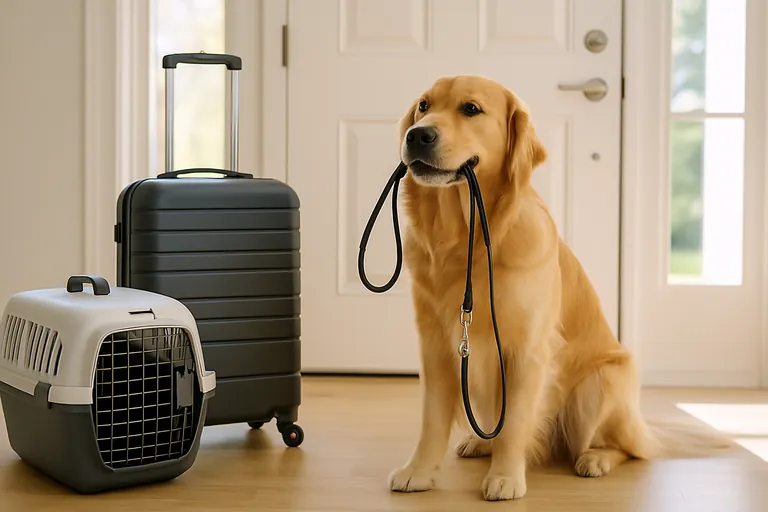
Mostly, no. Standard travel insurance is written for humans, your trip costs, your medical bills, your bags. Your dog isn't on the policy. But a handful of plans do include pet-related provisions: extra kennel or boarding fees if you're delayed getting home, and occasionally pet illness as a covered cancellation reason. The details matter, so let's walk through them.
What a standard policy does for your pet (short answer: almost nothing)
A comprehensive travel insurance policy protects the named travelers. Trip cancellation, trip interruption, emergency medical, baggage, all of it applies to the people listed on the policy. Read through what travel insurance covers and you'll notice pets appear nowhere in the core benefits.
So if your cat gets sick in a rental house in Tuscany, the vet bill is yours. If your pet is injured flying in the cargo hold, your travel insurance stays silent — that claim goes to the airline, which has its own (limited) liability for animals it transports, the same way it does for checked bags.
That's the baseline. Now for the exceptions, because they're genuinely useful when you find them.
Which pet provisions actually exist?
Kennel and boarding fees when you're delayed. This is the most common pet benefit, and it hides inside travel delay or trip interruption coverage on certain plans. The scenario: your dog is boarded at home while you're in Ireland. A storm cancels your flights and you get home three days late, and the kennel bills you for three extra nights. Some policies reimburse those additional boarding fees as part of a covered delay. It's usually a modest amount, often a per-day cap, but it turns an annoying surprise into a receipt you can submit.
Pet illness as a cancellation reason. A few plans — and I want to stress few — list the serious illness, injury, or death of your pet as a covered reason to cancel or interrupt your trip. Most don't. On the majority of policies, canceling because your golden retriever needs emergency surgery pays exactly zero dollars, pets don't count as family members in the policy definitions. Don't assume. Read the covered-reasons list in the certificate, or ask us to check before you buy.
Service animal provisions. Service animals occupy a different legal category than pets. Under the Air Carrier Access Act, airlines must accommodate trained service dogs in the cabin at no charge, and a few travel insurance plans extend certain benefits, like veterinary expenses from an injury during travel, to service animals specifically. Emotional support animals lost most of their air-travel protections a few years back; airlines now generally treat them as pets, with pet fees and carrier rules. If you travel with a service dog, it's worth asking which plans acknowledge that in writing.
What if my pet is traveling with me?
Here's the honest breakdown:
| Situation | Standard travel insurance | Who actually covers it |
|---|---|---|
| Pet gets sick or injured on the trip | Not covered | Pet health insurance (if it covers travel) or your wallet |
| Pet injured or lost by the airline | Not covered | Airline liability, like checked baggage |
| Extra kennel fees because your return is delayed | Covered on some plans | Travel delay / interruption benefit, where offered |
| You cancel because your pet is seriously ill | Rarely covered | A few plans list it; CFAR works on any plan that offers it |
| Pet damages property or injures someone | Not covered | Liability coverage — homeowners, renters, or a dedicated pet policy |
Notice how often "not covered" appears. Dedicated pet travel insurance exists as a separate product — typically covering veterinary expenses during a trip, sometimes lost-pet or liability benefits. One caveat: those products cover personal travel, not commercial transport. Animals headed to shows, breeding, or any business purpose need commercial coverage.
And don't confuse pet travel insurance with pet health insurance. Pet health insurance is the ongoing policy that covers checkups, treatments, and surgeries year-round; some of those policies follow your pet on trips, many don't. If your pet already has a health policy, a five-minute call to that insurer before you book may solve the whole problem.
When CFAR is the real answer
If your worry is "what happens to my trip if something happens to my pet," the cleanest fix isn't a pet benefit at all. It's Cancel For Any Reason coverage. CFAR doesn't care why you cancel. Sick dog, anxious cat, a pet sitter who bailed, any of it qualifies, and you get 75% of your insured non-refundable trip costs back.
The catches are the standard CFAR catches: buy it within the time-sensitive window after your first trip deposit (21 days on the US Fire plans we offer, though the window differs by state, check your policy details), cancel at least 48 hours before departure, and accept the 75% payout rather than 100%. New York residents can't buy it at all. It adds roughly 40-50% to the premium. For a $4,000 trip and a fourteen-year-old dog with a heart condition, that math tends to feel very reasonable.
One nice wrinkle on the US Fire plans: you don't have to insure your full trip cost up front to keep CFAR. Insure your deposits now, add more as you pay for the trip. Most plans in the industry don't allow that.
What should pet owners actually do before a trip?
No numbered checklist needed — it's really three moves. Figure out who's watching the pet and what happens if you're late getting home, then look for a plan whose travel delay coverage extends to boarding fees. If canceling over a pet emergency would wreck you financially, price CFAR while you're still inside the purchase window. And if the pet is coming along, deal with the airline's live-animal rules early and ask your pet's health insurer what applies away from home.
If you'd like help finding a plan with pet-related provisions, they're scattered and inconsistent across plans, send us an email at support@tripinsurance.com or call 877-389-4446, Monday through Friday, 9 to 5 Pacific. We'll point you to what's real.
Frequently asked questions
Does travel insurance cover my pet's vet bills on a trip?
No. Standard travel insurance covers medical expenses for the human travelers named on the policy, not animals. A pet injured or sick during travel is covered only by a dedicated pet health or pet travel insurance policy, or by you. A few plans extend limited veterinary benefits to service animals, which is a separate legal category from pets.
Can I cancel my trip if my pet gets sick?
On most policies, no, pet illness isn't a listed covered reason, and pets don't count as family members. A small number of plans do include serious pet illness or death as a covered cancellation reason, so check the certificate. Otherwise, Cancel For Any Reason coverage is the reliable route: it pays 75% of insured costs regardless of your reason.
Does travel insurance pay extra kennel fees if my flight home is delayed?
Some plans do, inside their travel delay or trip interruption benefits. If a covered delay keeps you from getting home on schedule, those plans reimburse the additional boarding or kennel fees you rack up, usually with a daily cap. It's not universal, so confirm it before you buy if your pet boards while you travel.
Who's responsible if the airline loses or injures my pet?
The airline. Animals transported by air fall under the carrier's liability rules, much like checked baggage — and those limits are modest. Your travel insurance policy doesn't cover pets in transit. Before flying a pet, read the airline's live-animal policy, get requirements in writing, and ask your pet's health insurer whether travel incidents are covered.
Are service animals treated differently than pets?
Yes. Under the Air Carrier Access Act, airlines must accommodate trained service dogs in the cabin at no extra charge. Emotional support animals no longer get that treatment on most carriers, they're handled as pets. A few travel insurance plans include specific benefits for service animals, so travelers who rely on one should ask which plans put that in writing.