Traveling During Hurricane Season: The June-November Playbook
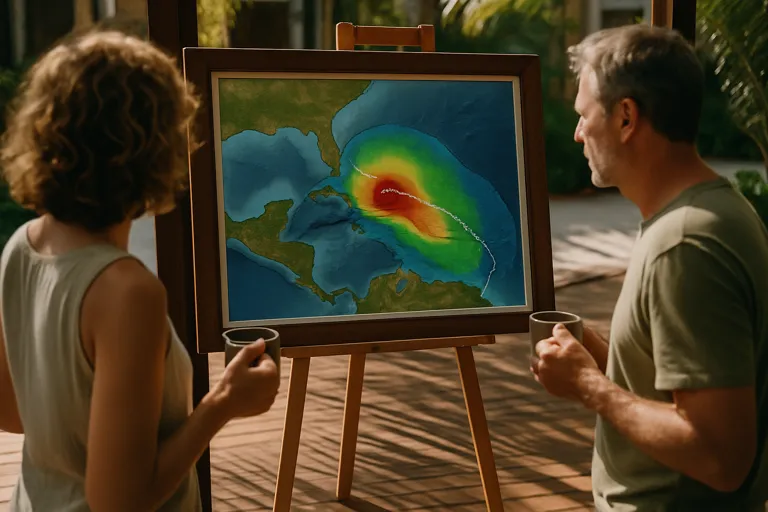
Traveling during hurricane season — June 1 through November 30 in the Atlantic — is a manageable risk if you follow one rule: buy travel insurance the same week you book, before any storm is named. Add CFAR if you want the freedom to cancel over a forecast, and know in advance what cruise lines and airlines will (and won't) do when a storm shows up.
That's the playbook in one paragraph. The rest of this article is the detail — because the detail is where people get burned.
Why does everyone travel during hurricane season anyway?
Because hurricane season is also tourist season. Summer break, shoulder-season deals, warm Caribbean water, the six months when hurricanes form are exactly when the Caribbean, the Gulf Coast, Florida, and the Eastern Seaboard are most tempting and most affordable. You can't "plan around" hurricane season without giving up half the calendar.
And most hurricane-season trips go off without a hitch. But it only takes one storm to close airports, strip a resort of power and water, and turn a seven-night vacation into a very expensive lesson. The playbook exists so that when your number comes up, you're inconvenienced instead of broke.
Rule one: buy insurance the week you book
This is the single most important thing in this article. Travel insurance only covers hurricanes if you bought your plan before the storm was named. Once the National Hurricane Center gives a tropical storm a name, it's a known event, and you can't insure against something that already exists. The insurance company compares your purchase date against the naming date. Bought after? Denied. Every time, no exceptions for good stories.
So don't wait. The moment you put down a deposit on a September cruise or an October villa in the Keys, get the policy. Booking in February for a trip in August? Insure it in February. There is no advantage to waiting, and an enormous disadvantage: somewhere out in the Atlantic, your deadline is quietly forming. We cover the mechanics in our guide to hurricane travel insurance, and the broader timing logic in when to buy travel insurance.
Buying early also protects the other time-sensitive benefits (CFAR, the pre-existing condition waiver, financial default coverage) which are only available within a window after your first trip deposit: 21 days on the US Fire plans we sell in most states, but it differs by state and plan, so check your policy details.
What if I just don't want to gamble on a forecast?
Standard hurricane coverage has a frustrating gap: it pays when specific things happen — a hurricane warning at your destination close to departure, a mandatory evacuation, your resort rendered uninhabitable, your flights stopped for 12+ hours. It does not pay because the forecast looks scary. A storm churning vaguely toward the Caribbean five days out, models disagreeing, your gut saying stay home? Not a covered reason. If you cancel and the storm turns, you eat the cancellation penalties.
Cancel For Any Reason coverage is the fix. CFAR lets you cancel for exactly that kind of judgment call, "I don't like the look of this", and recover 75% of your insured, non-refundable costs. You have to buy it within the time-sensitive window after your initial deposit, and you have to cancel at least 48 hours before departure. It adds roughly 40-50% to the premium. For hurricane-season trips to the Caribbean or the Gulf, it's the closest thing to forecast insurance that exists.
How do I find out a storm is coming before it's news?
Watch the tropics, not just your inbox. The National Hurricane Center issues outlooks and tracks every disturbance long before it has a name. A two-minute check every few days tells you more than any airline email will.
We also do some of the watching for you. Every policy sold on TripInsurance.com comes with free enrollment in e-Travel Alerts, and since 2013 we've offered the service free to anyone who wants it, customer or not. The alerts are up-to-the-minute notifications about developments that could affect your travel plans, from delays at a specific airport to a developing storm near your destination, often before it makes the general news. During hurricane season, that early awareness is the difference between calmly rebooking on Tuesday and fighting ten thousand other travelers for seats on Friday.
What should I actually do as a storm approaches?
Say you're four days out and a named storm is tracking toward your destination. Here's the sequence:
- Check for an airline waiver. When a storm threatens a region, airlines typically issue travel waivers letting you rebook without change fees, often before the storm arrives. This is free money — use it before seats disappear.
- Call your hotel, cruise line, or tour operator. Ask what their weather policy is and get any offer in writing. Some resorts offer hurricane guarantees; some offer nothing.
- Don't cancel prematurely. If you cancel before the airline or cruise line cancels, you may convert a fully-refundable situation into a voluntary cancellation. Let the supplier move first when you can. (CFAR holders have more freedom here, but even then, 75% of your money is less than the 100% a supplier cancellation can get you.)
- Document everything. Screenshot the NHC advisories, save the airline's cancellation notice, keep receipts for every extra night and meal. Claims run on paper, and paper is much easier to collect during the event than three weeks later.
- Know your policy's triggers. A hurricane warning at your destination within a set window of departure, a mandatory evacuation order, complete cessation of your airline's service for 12+ hours, these are the kinds of events that open cancellation and travel delay coverage. "It rained the whole time" is not one of them, and neither is a ruined-but-completed vacation. Our rundown of whether travel insurance covers hurricanes goes clause by clause.
What's different about September?
Everything peaks in September. The statistical heart of Atlantic hurricane season falls in early-to-mid September, which is exactly when Caribbean prices hit their annual lows. That's not a coincidence — it's the market pricing the risk for you.
Should you avoid September entirely? Not necessarily. But treat it differently. September is the month where CFAR earns its premium, where booking flexible fares matters most, and where the southern Caribbean shines. The ABC islands (Aruba, Bonaire, Curaçao) sit far enough south that hurricanes rarely reach them. No island is guaranteed safe, but the difference in odds between Aruba in September and the northern Caribbean in September is real. Even then, remember that an indirect hit still disrupts: a storm passing hundreds of miles away can bring flooding rain, canceled flights through connecting hubs, and rough seas.
What happens to my cruise if a hurricane shows up?
Usually? The cruise happens anyway, somewhere else. Cruise ships are the one vacation format that can move out of a hurricane's way, and captains reroute aggressively. Your Eastern Caribbean itinerary becomes a Western Caribbean itinerary. Cozumel becomes Nassau. Occasionally a Caribbean cruise becomes, no kidding, a Canada cruise.
Here's the part travelers hate hearing: missed ports are not a financial loss. If the ship sails, feeds you, and returns you on schedule, you received the cruise you paid for, a cruise, not a specific list of ports. The cruise contract says as much, and travel insurance follows the money: no loss, no claim. Some lines refund port fees for skipped stops and prepaid shore excursions, but there's no payout for disappointment. If specific ports are the entire point of your trip, CFAR (cancel 48+ hours out) is the only lever that respects that. More on ship-specific coverage in our cruise travel insurance guide.
Where insurance does step in: if a storm delays your flight and you miss the ship's departure, if the cruise itself is canceled, or if you're stuck ashore mid-itinerary — that's missed connection, cancellation, and interruption territory.
The honest bottom line
Hurricane-season travel is a good deal wrapped around a small, real risk. Take the deal, but insure the week you book, consider CFAR if a forecast would change your mind, sign up for storm alerts, and go in knowing that a rerouted cruise or a rainy week isn't a claim. For help picking a plan with strong hurricane provisions, email support@tripinsurance.com or call 877-389-4446, we're happy to walk through the policy language with you.
Frequently asked questions
When is hurricane season?
Atlantic hurricane season runs June 1 through November 30, with activity peaking from mid-August through mid-October, historically topping out in early-to-mid September. The Eastern Pacific season starts slightly earlier, in mid-May. Storms occasionally form outside these windows, but not often.
When should I buy travel insurance for a hurricane-season trip?
The same week you book — ideally the same day you make your first deposit. Coverage only applies to storms named after your purchase date, and buying within your plan's time-sensitive window (21 days on most US Fire plans, varying by state) also preserves CFAR, pre-existing condition waivers, and financial default coverage.
Can I cancel my trip because a hurricane is forecast to hit my destination?
Not under standard coverage, a forecast alone isn't a covered reason. Standard policies need a concrete trigger: a NOAA hurricane warning at your destination close to departure, a mandatory evacuation, an uninhabitable destination, or complete cessation of your airline's service. To cancel on a forecast, you need Cancel For Any Reason coverage, which pays 75%.
Does travel insurance pay if my cruise skips ports because of a hurricane?
Generally no. If the ship sails and returns on schedule, a changed itinerary isn't a financial loss, and cruise contracts explicitly allow rerouting. You may get port fees back from the cruise line. Insurance applies when you miss the ship, the cruise is canceled, or the trip is cut short, actual losses, not disappointing itineraries.
Which Caribbean islands are least likely to be hit by a hurricane?
The southern Caribbean — Aruba, Bonaire, and Curaçao — sits below the usual hurricane belt and is rarely affected, which makes the ABC islands popular for September travel. No island is completely safe, and storms passing well offshore can still bring rain, wind, and flight disruptions, so insurance and alerts still matter.
What if my resort is destroyed before my trip?
Most comprehensive plans cover cancellation when your destination accommodations are rendered uninhabitable by a natural disaster, typically for losses within about 30 days after the event — provided you bought the plan before the storm was named. Check your policy's exact uninhabitable-destination clause, definitions and time limits differ between plans.