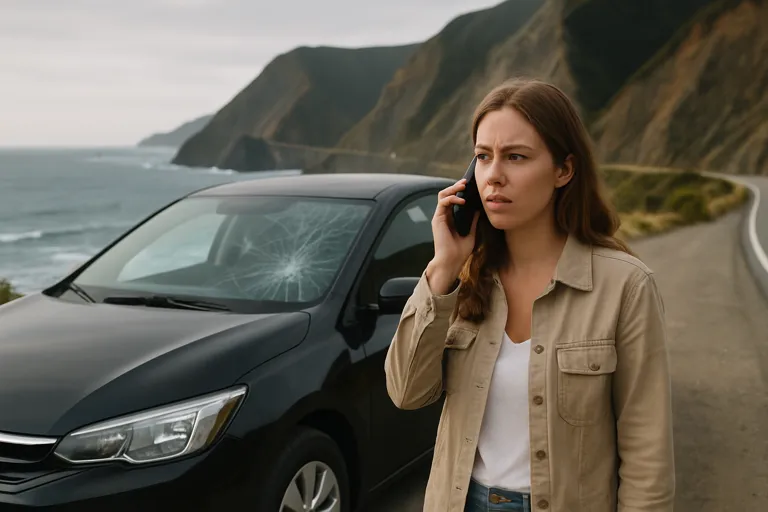
Rental Car Damage Coverage in Travel Insurance
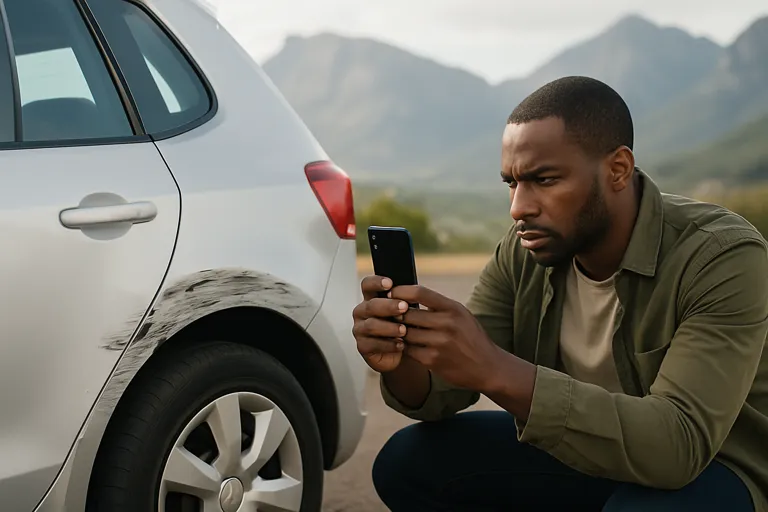
Rental car damage coverage is an optional rider on many travel insurance plans that pays for damage to or theft of your rental car (typically up to $35,000-$50,000) for a fraction of what the rental counter charges. It covers the car itself, including loss-of-use fees. It does not cover liability, injuries, or damage to anything else.
That last sentence is the one to reread. This benefit answers exactly one question: who pays for the rental car if something happens to it? Everything else (the other driver's car, the guardrail, the medical bills) lives on other policies. Get that straight and the rest of the decision is mostly arithmetic.
What does the rental car damage rider cover?
The rider pays for repair or replacement of a car you've rented, up to the policy limit, when the car is damaged or lost due to:
- Collision, your fault or not
- Theft or vandalism
- Fire or explosion
- Natural events like hail, windstorm, or flood
It pays the lesser of the repair cost or the car's actual cash value. And on most plans it's primary coverage, meaning it pays first, before your auto policy or credit card gets involved, no deductible on your personal policy, no claim on your personal record. If you want the longer version of why that ordering matters, we've written up primary vs. secondary coverage separately.
The quietly valuable piece is loss of use. When a rental car sits in a body shop for ten days, the rental company bills you for ten days of lost rental income. Your personal auto policy almost never covers that charge — there's no equivalent for your own car at home. The travel insurance rider typically does. On a two-week repair, loss of use alone can run into four figures.
Covered vs. not covered
Covered:
- Damage to the rental car from collision, theft, vandalism, fire, weather
- Loss-of-use charges while the car is repaired
- Reasonable towing to the nearest repair facility, on most plans
Not covered:
- Liability, damage to other vehicles, property, or people. Ever.
- Injuries to you or your passengers (that's medical coverage's job)
- Your belongings inside the car
- Trucks, motorcycles, campers, trailers, off-road vehicles, and exotic or very high-value cars
- Damage that occurs while intoxicated, under the influence of drugs, or during an illegal act
- Rentals in countries that don't accept outside coverage, more on this below
One writer we know puts it this way: if you hit a deer, you're covered. If you hit a police car, you're covered for your bumper — and on your own for everything else. Liability protection has to come from your personal auto policy or from the rental agency.
What are your four options for covering a rental car?
Every renter is choosing among the same four tools, usually while jet-lagged at a counter. Here's the comparison in daylight:
| Travel insurance rider | Counter CDW | Credit card | Personal auto policy | |
|---|---|---|---|---|
| Typical cost | ~$7-$10/day | ~$15-$30/day | Free with card | Free (already paying) |
| Loss of use | Usually covered | Sometimes excluded | Often disputed/excluded | Almost never covered |
| Pays first? | Usually primary | Yes | Often secondary | Primary, with deductible |
| Deductible | Low or none (some plans ~$250) | Usually none | None | Your policy deductible |
| Works abroad? | Widely, with country exclusions | Yes — it's local | Varies; notable country exclusions | US and usually Canada only |
| Claim on your record? | No | No | No | Yes — premiums can rise |
The counter CDW (collision damage waiver) is technically not insurance at all, it's the rental company waiving its right to charge you for damage. It's effective and it's convenient. It's also the most expensive option on the table, sometimes rivaling the rental rate itself, and you're agreeing to its terms while a line forms behind you. Some counter products also carry startling deductibles. Friends of ours rented in New Zealand, took the local coverage, got bumped at a stoplight, clearly the other driver's fault, and were charged $4,000 against their credit card on return. The "coverage" had a $4,000 deductible. They're still waiting for that money.
Credit card coverage is genuinely useful and you've already paid for it, but read your card's guide to benefits before relying on it. Most card coverage is secondary (it pays after your auto policy), loss of use is frequently disputed or excluded, several card networks exclude specific countries, and coverage usually requires declining the counter CDW and paying with that card. Our credit card travel insurance guide goes deeper on the fine print.
Your personal auto policy typically extends to rentals in the US and usually Canada — with your normal deductible, and with a claim landing on your record afterward. Outside North America it generally does nothing. And if you carry only liability on an older car at home, you may have no physical-damage coverage to extend at all: your $4,000 Honda's policy won't rebuild a $35,000 rental minivan.
The travel insurance rider slots in as the cheap, primary, loss-of-use-included option, purchased calmly in advance. On some plans you can add it as late as the day before you pick up the car. It's priced per vehicle, per day — not per person — which makes it especially efficient for a family sharing one car.
Which countries won't accept this coverage?
Here's the catch that surprises experienced travelers: some countries require rental coverage to be purchased locally and won't recognize policies issued from outside. Mexico, Ireland, and Jamaica are the classic examples in most policy wordings, but the excluded-country list varies from policy to policy and changes over time, so treat any list (including this one) as a prompt to check your own policy's wording, not as gospel.
If you're renting somewhere on your policy's excluded list, you'll be buying the local coverage at the counter regardless. In that situation a practical approach we like: take the local collision coverage as required, and make sure your travel insurance plan is strong enough elsewhere (medical, evacuation, trip interruption) to handle everything the rental coverage doesn't. In countries with high local deductibles, some travelers also carry coverage designed to reimburse that deductible. Ask before you go, not at the counter.
And in any foreign country, check the local insurance requirements before you commit to driving. Ten minutes of reading beats a $4,000 surprise.
What does the rider cost?
Roughly $7-$10 per day per vehicle on most plans, against $15-$30 per day for counter CDW. On a one-week rental that's the difference between about $60 and about $150-$200. Not life-changing money, but it's the same protection, often better once loss of use is counted, for half the price or less. One note on how the days are counted: some plans charge per calendar day rather than per 24-hour rental period, so a Tuesday-afternoon-to-next-Tuesday-morning rental may count as eight days, not seven. Still cheaper. For how this fits into a total trip insurance budget, see what travel insurance costs.
There's also a slower-brain advantage: buying in advance means you can actually read the thing. Travel insurance plans come with a free look period — typically 10 days to review the policy and return it for a full refund if it's not what you expected. The rental counter offers you a line of impatient strangers and a signature box.
What do you have to do if the car is damaged?
The rider comes with homework, and skipping it can sink the claim:
- Take reasonable steps to prevent further damage to the vehicle.
- Report the loss to local authorities and to the rental company as soon as possible, police report for theft, vandalism, or any accident.
- Collect the other party's information if another driver is involved.
- Save everything: the rental agreement, the police report, photos, and repair estimates, and provide them to the insurance company.
Photograph the car at pickup and at return, every time, coverage or no coverage. It's the cheapest dispute insurance ever invented.
Rental car damage coverage is one benefit among many on a comprehensive plan, here's the full picture of what travel insurance covers. If you're trying to figure out whether your trip needs the rider, or whether your credit card already has you covered for the country you're visiting, send us an email at support@tripinsurance.com or call 877-389-4446, Monday-Friday 9:00 am to 5:00 pm Pacific. We'll help you sort the options before you're standing at the counter.
Frequently asked questions
Does rental car damage coverage include liability?
No. The rider covers damage to or theft of the rental car itself, plus loss-of-use charges — nothing more. Damage to other vehicles, property, or people must be covered by your personal auto policy or by liability coverage from the rental agency. If you carry no auto liability of your own, buy the rental company's liability protection.
Is travel insurance rental coverage better than the counter CDW?
Usually, on price alone: roughly $7-$10 a day versus $15-$30 at the counter, often with loss of use included where counter products sometimes omit it. The counter CDW's advantage is zero-hassle claims, the rental company simply waives the damage. Check deductibles on both before deciding; some counter products carry deductibles in the thousands.
Can I rely on my credit card instead?
Sometimes. Good cards cover rental collision damage, but the coverage is often secondary, frequently excludes loss of use, excludes certain countries, and requires you to decline the counter CDW and pay with that card. Read your card's benefits guide for your specific destination before you skip other coverage, "my card covers it" is right until it isn't.
Which countries don't accept travel insurance rental car coverage?
Mexico, Ireland, and Jamaica appear on most policies' excluded lists, but the list varies by policy and changes over time — always check your own policy wording before renting abroad. In excluded countries you'll need to buy coverage locally at the counter, and it's worth checking the local product's deductible carefully.
Does the rider cover trucks, motorcycles, or RVs?
No. Coverage is limited to standard passenger cars. Trucks, motorcycles, campers, trailers, off-road vehicles, and exotic or high-value cars are excluded on essentially every plan. If you're renting one of those, your coverage has to come from the rental agency or a specialty insurer.
When do I have to buy rental car damage coverage?
Earlier is better, but this rider is unusually forgiving: on some plans you can add it as late as the day before you pick up the car. Coverage typically runs from pickup to return, priced per vehicle per calendar day, so make sure every calendar day you'll have the car is covered, including partial days.