Backpacking & Gap Year Insurance
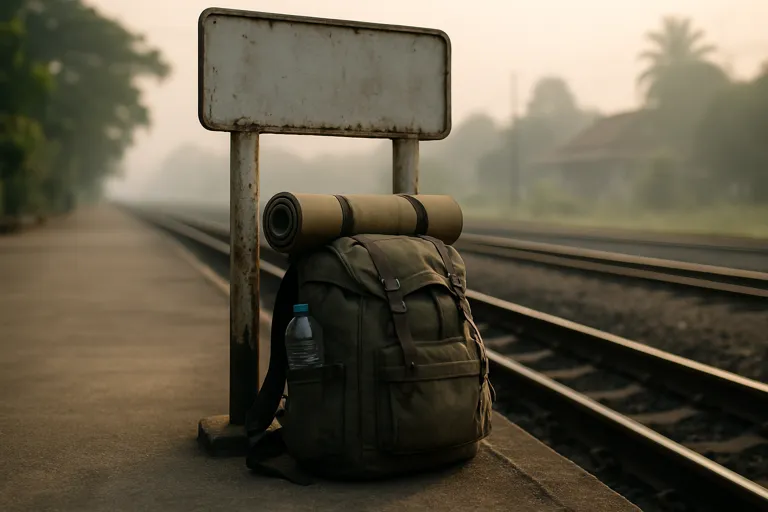
Backpackers need travel insurance turned inside out: minimal cancellation coverage, maximum medical and evacuation coverage. With hostels booked days ahead and flights bought as you go, there's little prepaid money to protect, but months of exposure to foreign hospitals, remote trails, and theft. Insure the medical risk first; the trip cost is almost beside the point.
Most travel insurance advice is written for people with a $6,000 cruise on the line. If you're leaving for four months through Southeast Asia with a one-way ticket and a rough plan, that advice is backwards for you. Here's the version that fits.
Why is backpacker insurance backwards from normal travel insurance?
A resort traveler's biggest risk is losing prepaid money before departure. Yours is what happens during the trip.
Look at the actual exposure. Prepaid, non-refundable costs: maybe a long-haul flight and a trek deposit — often under $1,500. Meanwhile you're spending months in places where your U.S. health insurance means nothing, eating adventurously, riding overnight buses, hiking away from roads, and sleeping in dorms with strangers and their access to your stuff. A tumble on a rocky trail in northern Laos or a bout of something serious after street food isn't a hypothetical; it's the standard backpacker claim.
So the coverage hierarchy flips:
- Emergency medical, the benefit you're most likely to use. Travel medical coverage pays foreign hospital and doctor bills your home insurance won't touch, and typically some emergency dental.
- Medical evacuation, the benefit that can save your life and your family's savings. Remote regions are the point of backpacking, and they're also where a serious injury means an air ambulance to a real hospital, at a cost that can reach six figures. Carry a high limit; this is not the line item to economize on.
- Everything else — delay, baggage, interruption — riding along at whatever level the plan includes.
The $1 trip cost strategy
Here's a piece of mechanics most backpackers never hear. Comprehensive plan pricing is driven substantially by the trip cost you declare. Declare a low trip cost and the premium drops with it — and on the plans we sell, you can enter a trip cost of $1 to waive cancellation and interruption coverage entirely and buy what you actually need: strong medical and evacuation limits, with travel delay and baggage coverage still included.
For a backpacker with almost nothing prepaid, that's close to a perfect fit. You're not paying to insure refundable hostel bookings that cost $12 a night; you're putting the entire premium toward the hospital-and-helicopter risk. Months of medical protection for a fraction of what a cruise passenger pays.
And if you do have real prepaid costs (a $900 Kilimanjaro trek deposit, a long-haul flight in nonrefundable economy) insure that actual amount instead of $1. Now cancellation and interruption protect the money, and there's a compounding benefit across a multi-stop year: if you're hurt on an early leg and a doctor advises against continuing, coverage on the later insured legs picks up those cancellation penalties. Insure your real deposits and you're far better covered than the trip-cost-zero crowd, for modest extra premium.
Can one policy cover a six-month, ten-country trip?
Usually yes, within limits, and the limits are the thing to check first.
Trip length. Per-trip plans have a maximum duration, and it varies widely by plan, many top out somewhere between 30 and 180 days. A gap year can outrun them. Options: choose a plan with a long maximum, or insure the trip in segments. If you segment, plan it before you leave; buying and extending coverage mid-trip is restricted on many plans, since standard policies generally must be purchased before departure.
Multiple countries. Not usually a problem — comprehensive plans cover you across an itinerary rather than a single destination. List where you're going when you get quotes, though: destinations affect which plans fit (and we ask for them precisely to recommend the right ones).
Changing plans. Backpacking itineraries are written in pencil, and mostly that's fine, your coverage follows you, not a fixed route. The dates are the rigid part. Coverage ends when the policy period ends, whether or not you've come home, and extending after departure is at best plan-dependent. Two habits protect you: buy for your longest plausible trip length rather than your most optimistic one, and if plans stretch mid-trip, contact the insurer before your policy lapses to ask what's possible. A buffer week on the back end is the cheapest insurance decision you'll make.
What about an annual plan?
Reasonable question, annual plans get pitched hard at long-term travelers, and they're generally popular with people traveling more than 90 days a year without a fixed agenda. We deliberately don't sell them. Two structural problems: you're paying to insure time you're not traveling, and the cancellation and interruption benefits are usually thin and capped annually — exactly the shape of coverage that fails when something real happens.
Our position, spelled out in our annual travel insurance page: per-trip policies, tailored to each journey, usually cost less than an annual plan across four or five trips a year and cover each trip significantly better. For a single long backpacking trip, the comparison isn't even close, a per-trip plan sized to your route and your months abroad beats a generic annual shell.
Your gear: time for some honesty
Everything you own for six months fits in one bag, which makes every item feel precious, and makes theft hurt more. Hostels, night buses, and crowded stations are exactly where bags walk off. So insure it, but with clear eyes about what baggage coverage pays.
Baggage benefits carry an overall maximum and, more bindingly, a per-item limit — commonly $300-$500. Electronics are often subject to their own caps. Your setup of laptop, mirrorless camera, and phone might be worth $3,500; a standard baggage benefit will reimburse a fraction of that, item by item, and depreciation can apply. Some plans sell riders for specified items. For serious electronics, a homeowner's/renter's policy rider or standalone gear coverage often does the job better.
The realistic play: carry the expensive things on your body, insure the replaceable things, and document everything, receipts photographed to cloud storage, serial numbers noted. Theft claims live and die on documentation and a police report filed promptly, which we cover in does travel insurance cover theft. And the assistance side matters as much as reimbursement: a stolen passport and wallet at 11 p.m. in a city where you don't speak the language is an assistance-line problem, that 24/7 line comes with the plan and helps with embassy navigation, emergency cash transfer, and canceling cards.
Adventure activities: check the list before you jump
The backpacker itinerary is a tour of policy exclusions: trekking at altitude, scuba diving, motorbiking Vietnam, whitewater rafting, bungee jumping because everyone at the hostel was doing it. Standard plans exclude a range of hazardous activities, and what counts as hazardous varies plan to plan — some cover recreational scuba to a stated depth, some don't; motorbiking often hinges on licensing and helmets.
If your trip includes anything beyond walking and swimming, read the exclusion list before buying and price an adventure sports rider that waives it. The rider costs little. Breaking your leg doing an excluded activity costs everything, because the exclusion takes the medical and evacuation benefits with it.
One last thing: buy before you leave. Standard plans must be purchased before departure, and every week you wait is an uninsured week. If you're staring at a five-month route and can't tell which plan's trip-length limit and medical limits fit, email support@tripinsurance.com or call 877-389-4446, Mon-Fri 9-5 Pacific, quotes just need your dates, age, per-person prepaid costs, state, and the countries on the list.
Frequently asked questions
How much does backpacker travel insurance cost?
Less than most travelers expect, because premiums track trip cost and yours is low. Using the $1 trip cost approach (medical, evacuation, delay, and baggage without cancellation coverage) a healthy traveler in their 20s can cover months abroad for far less than a resort traveler pays for one week. Age and trip length set the price.
What is the $1 trip cost trick?
On the plans we sell, entering a trip cost of $1 waives cancellation and interruption coverage while keeping travel medical, evacuation, delay, and baggage benefits. It suits travelers with nothing meaningful prepaid. If you do have non-refundable deposits (a trek, a long-haul flight) insure the real amount instead so cancellation protection covers it.
How long can a single travel insurance policy last?
It varies widely, per-trip plans commonly cap trip length anywhere from 30 to 180 days, and a gap year can exceed them. Pick a plan whose maximum covers your longest plausible trip, and buy before departure; extending or purchasing coverage after you've left is restricted on most standard plans.
Does one policy cover multiple countries?
Generally yes. Comprehensive plans follow you across a multi-country itinerary rather than insuring one destination. List all your countries when quoting — destinations influence which plans are recommended. The rigid boundary is time, not geography: coverage ends on the policy end date wherever you happen to be standing.
Is my laptop covered if it's stolen from a hostel?
Partially, at best. Baggage coverage applies to theft, but per-item limits of $300-$500 and electronics caps mean a $1,500 laptop won't be made whole. You'll also need prompt documentation, a police report matters. For expensive electronics, a renter's/homeowner's rider or standalone gear policy usually beats travel insurance.
Are adventure activities like scuba and trekking covered?
Sometimes, and the details differ by plan, one plan's covered recreational activity is another's excluded hazardous sport. Trekking at altitude, scuba, motorbiking, and rafting all deserve a check against the exclusion list. An adventure sports rider waives the exclusions cheaply; without it, an excluded activity voids both medical and evacuation benefits.
Should backpackers get an annual plan instead?
We don't think so, and we deliberately don't sell them. Annual plans insure time you're not traveling and typically carry thin, annually capped cancellation and interruption benefits. A per-trip plan sized to your actual route and duration — with medical and evacuation limits chosen for where you're going — covers a long backpacking trip better, usually for less.