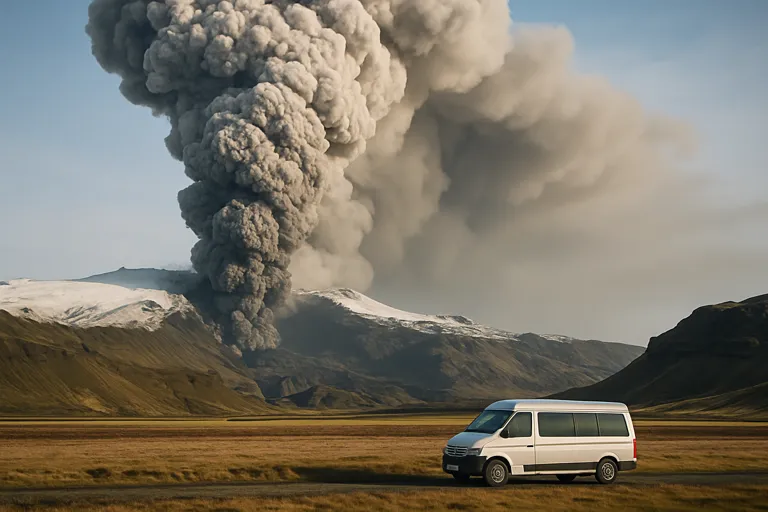
Does Travel Insurance Cover Wildfires and Smoke?

Sometimes. Wildfires trigger travel insurance when they produce one of the events policies actually name: your destination becomes uninhabitable, authorities order a mandatory evacuation, or your flights stop operating. What's usually not covered is the situation travelers ask about most — smoke. Bad air quality alone is almost never a covered reason to cancel.
That split surprises people, because a smoke-choked destination feels every bit as ruined as a flooded one. But policies pay on named triggers, not on how the trip feels. Here's where the lines actually sit.
When does a wildfire trigger coverage?
Wildfires fall under the natural disaster provisions in most comprehensive plans, the same machinery that handles hurricanes, earthquakes, and floods. Three triggers do most of the work.
Your destination becomes uninhabitable. If fire damages your hotel, rental home, or resort badly enough that you can't stay there, that's a covered reason to cancel before departure or interrupt a trip in progress. The key word is uninhabitable, actually unusable, not unappealing. A resort that burned? Covered. A resort with a hazy view of a burned hillside? Not.
A mandatory evacuation is ordered. When authorities order your destination area evacuated — and with wildfires, they do this fast and often — plans with evacuation language cover your losses: prepaid costs you forfeit, and the expense of getting out or getting home. Note that some plans pay cancellation benefits only if the evacuation costs you more than half your trip, and that this trigger requires an actual order, not a warning or an advisory to be ready. Voluntary evacuation zones don't count.
Your carrier stops operating. Wildfire smoke occasionally closes airports or grounds flights along your route. If your airline ceases service for the number of consecutive hours your policy specifies (commonly 12, sometimes 24 or 48) cancellation coverage kicks in. Shorter groundings fall to travel delay benefits, which reimburse hotels and meals once the delay passes your plan's hour threshold.
And one trigger that points the other direction: if a wildfire threatens your home (you're evacuated, or your house is damaged and you have to stay and deal with it) that's a covered reason to cancel the trip too, on most plans.
Why isn't smoke a covered reason?
Here's the scenario. You've got a week booked in wine country, or a national-park trip in August. A fire is burning fifty miles away. Nothing in your itinerary is threatened, no evacuation order touches your hotel, flights are on time — but the air quality index is in the purple, the views are gone, and hiking is off the table. Can you cancel?
Under a standard policy, no. Two reasons.
Smoke isn't a named peril. Covered-reason lists name events: the destination rendered uninhabitable, evacuation ordered, carrier shutdown. "Hazardous air quality" appears on none of them. If none of the named events occurred, there's nothing in the contract for your claim to attach to.
There's no financial-loss trigger. Insurance reimburses financial losses caused by covered events. In the smoke scenario, your suppliers are all still performing, the flight operates, the hotel has your room ready, the winery is open. The trip you paid for still exists; it's just become a trip you don't want. Policies don't cover a miserable time, and they don't cover the health worry either, even travelers with asthma generally can't cancel over forecast smoke unless a doctor certifies they're medically unable to travel.
Harsh? A little. But it's the same rule that denies claims for rained-out beach weeks and snowless ski trips, applied to smoke.
The fix for the smoke gap: Cancel For Any Reason
If you want the option to bail on a smoky trip, Cancel For Any Reason coverage is the tool. CFAR doesn't care whether your reason appears on a list. Cancel at least 48 hours before departure and it pays 75% of your insured, non-refundable trip costs. Air quality index of 250? That's a reason. You just don't like the webcam footage? Also a reason.
For summer trips to fire-prone regions (California, the Mountain West, parts of Canada, Australia) we think CFAR earns its premium more reliably than almost anywhere else, because the most likely disruption (smoke) is precisely the one standard coverage won't touch.
The conditions: CFAR must be added within a time-sensitive window after your initial trip deposit — typically 14 to 21 days, and it differs by state, so check your policy details. It adds roughly 40-50% to the premium. And unlike most plans, the US Fire plans on TripInsurance.com don't require insuring your full trip cost up front to keep CFAR, insure your deposits now, add more as you pay.
Once a fire is burning, it's a known event
Timing decides wildfire claims as much as triggers do. A wildfire that's already burning and being reported is a known event, and a policy bought after ignition won't cover losses that fire goes on to cause. The claims examiner compares your purchase date against when the fire started and made the news. Fires that burn for six weeks don't reset the clock, either, every new evacuation order from an old fire still traces back to a known event.
So the play is the same as with hurricanes: buy your coverage within a few days of your first trip deposit, while the fire map is clear. Early purchase is also what keeps the CFAR window open, and CFAR is the benefit you'll actually want in fire season.
If you're mid-trip when a fire breaks out nearby, trip interruption covers your unused prepaid costs and the trip home if a covered trigger occurs — evacuation, uninhabitable lodging, grounded flights. Call your plan's 24/7 assistance line first; they can rebook flights and find rooms while everyone else is refreshing an airline app.
One more resource: every policy sold on TripInsurance.com includes free e-Travel Alerts, real-time notice of fires and evacuations near your destinations, often before national news picks them up. Want help sorting out which plan covers what? Email support@tripinsurance.com or call 877-389-4446, Monday–Friday 9–5 Pacific.
Frequently asked questions
Can I cancel my trip because of wildfire smoke?
Not under standard coverage. Smoke and poor air quality aren't named perils, and if your flights and lodging are still operating you haven't suffered a covered financial loss, the trip still exists, you just don't want it. Cancel For Any Reason coverage is the exception: it pays 75% of insured costs regardless of your reason.
Is a mandatory wildfire evacuation covered?
Generally yes. If authorities order a mandatory evacuation of your destination area, plans with evacuation language cover cancellation or interruption losses, including the cost of getting home. It must be an actual order — warnings and voluntary-evacuation zones don't trigger the benefit — and some plans require that you lose more than half your trip.
What if my hotel or rental burns before my trip?
That's the uninhabitable-destination trigger, and it's a covered cancellation reason on most comprehensive plans. Your prepaid, non-refundable costs are reimbursed. The standard is genuine uninhabitability, a destroyed or unusable property, not smoke smell, a closed pool, or scorched scenery nearby.
Does travel insurance cover a wildfire that's already burning?
No. Once a fire has ignited and been reported, it's a known event, and policies purchased afterward exclude losses it causes — including later evacuation orders from the same fire. Buy coverage within a few days of your first trip deposit, before anything is on the fire map.
I have asthma. Can I cancel if the air quality is dangerous for me?
Forecast smoke alone isn't a covered reason, even with a respiratory condition. What can work: a physician examining you and certifying in writing that you're medically unable to take the trip, that's a standard covered reason with its own documentation requirements. For anything short of that, CFAR is the coverage that gives you the choice.
Will insurance pay if smoke delays or grounds my flight?
Yes, through the normal weather machinery. Delays past your plan's threshold (often 3 to 12 hours) trigger travel delay benefits for meals and lodging. If smoke shuts your airline down for 12 or more consecutive hours, 24 or 48 on some plans, that cessation becomes a covered reason to cancel the trip outright.