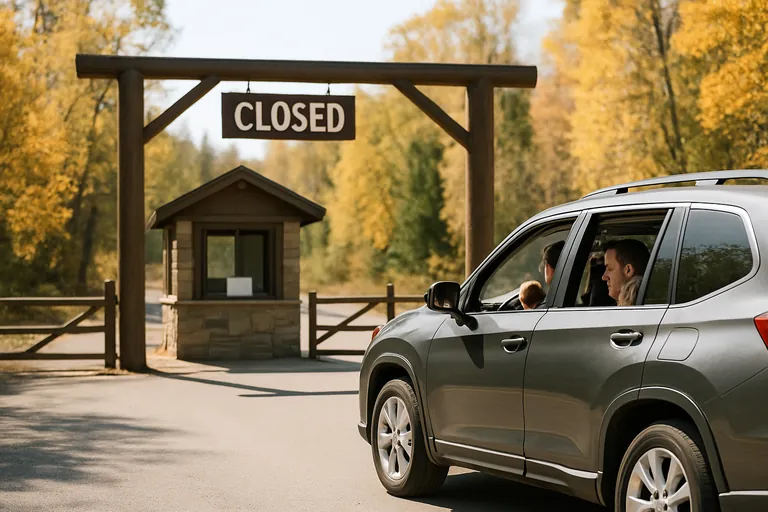
The Known Event Exclusion: What's Already Uninsurable Before You Buy

Travel insurance covers unknown, unforeseeable risks, that's the deal. Once a storm is named, a strike announced, an outbreak declared, or a war begun, it's a known event, and policies purchased afterward won't cover losses it causes. The purchase date versus the event date decides everything. This one rule runs underneath all of travel insurance.
What is the known event exclusion?
It's insurance's founding principle wearing a travel-industry name. Insurance pools premiums against risks nobody can predict. The moment a specific threat becomes public and identifiable, it stops being a risk and becomes a fact — and you can't insure facts. If you could, everyone would wait until the hurricane was bearing down on their resort, buy a policy Tuesday, and file a claim Friday. The pool collapses; nobody gets coverage for anything.
So every travel insurance policy draws a line, in one wording or another: losses caused by events that were known, foreseeable, or already occurring when you bought the policy are excluded. Some policies say "foreseeable." Some name mechanisms explicitly, "benefits are not payable if a hurricane is named on or before the effective date of your coverage." The wording varies. The principle never does.
The part that surprises people: the exclusion applies even when your connection to the event felt unknowable. The storm was named while you were booking flights and not watching the news? Doesn't matter. Known means publicly known, not known to you personally.
Which dates actually matter?
Two dates, one comparison. The date the event became known versus the date your coverage took effect. Everything in a known-event dispute comes down to putting those in order.
The event side has an anchor that depends on the category:
- Hurricanes and tropical storms: the date the storm was named by the National Hurricane Center. Not the date it strengthened or made landfall — named. A tropical depression is still insurable; Tropical Storm Anything is not. We cover the mechanics in our hurricane travel insurance guide.
- Strikes: the date the strike was announced or formally called, which can be weeks before anyone walks out. A strike vote in the news today makes tomorrow's policy too late. The conditions and wrinkles live in does travel insurance cover strikes.
- Disease outbreaks: the date the outbreak was declared or became a widely reported public event at your destination. The pandemic made this one famous: travelers who bought policies after the situation was global news found "unforeseen" no longer described it.
- Wars and civil unrest: the date hostilities began or the unrest erupted into the news. (War also trips separate, permanent exclusions in most policies, a double barrier.)
- Natural disasters generally: the date of the event itself (the eruption, the earthquake) including, for slow-motion disasters like volcanic ash clouds, the date the disruption became publicly known and ongoing.
Your side of the comparison is the policy's effective date — generally the day after purchase for cancellation benefits, or as stated in your documents. Bought before the event's date? Covered, assuming the loss fits a trigger. Bought on or after? Excluded, and no amount of sympathy at the claims desk changes the math.
One more timing wrinkle: some benefits carry their own waiting or eligibility periods, a hurricane-warning cancellation trigger might apply only if you bought more than 14 days before invoking it, and financial default coverage often has a waiting period after purchase. Early beats clever, every time.
What does this look like across categories?
Run the same scenario through each category and the pattern jumps out.
The storm. You book a Caribbean villa in March for late September. Buy the policy in March, and any storm that forms all season is an unknown event when your coverage started, covered. Wait until early September "to see how the season looks," and the moment a storm is named (even one currently 2,000 miles away) every policy purchased afterward excludes it. You're now uninsurable against the very thing you were waiting to see.
The strike. Your European itinerary leans on trains. A rail union announces industrial action for dates overlapping your trip; it's in the papers Thursday. A policy bought Wednesday can cover strike-related cancellation and delays (where strikes are a listed peril — check the plan). A policy bought Friday cannot, even though the strike may still be called off.
The outbreak. Ask anyone who traveled through early 2020. Policies bought while the outbreak was an obscure regional story were on the right side of the line; policies bought after it dominated headlines were not, and "I didn't think it would reach my destination" persuaded no one.
The event tickets. Back in 2012 we were urging readers headed to the London Olympics — millions of visitors, single-event tickets running as high as $3,100 — to insure before departure, because a delayed flight or sudden illness could wipe out a once-in-a-lifetime, non-refundable seat. The subtext was the same rule: insurance bought while everything was fine covered whatever disruption might come; anyone waiting until a specific disruption hit the news would have been buying after the door closed. The Olympics ended; the lesson didn't.
The airline. Financial default coverage protects your money if a travel supplier ceases operations, but once a carrier's collapse is publicly underway, new policies won't touch it, and the benefit typically must have been purchased within the time-sensitive window after your first trip deposit anyway.
Where do foreseeability disputes actually happen?
The named-storm rule is mercifully sharp: there's a timestamp. But plenty of events don't come with one, and that's where claims get argued.
When exactly does escalating unrest become "known"? The first protest? The first travel advisory bump? When a situation simmers for weeks before boiling over, insurers and policyholders can genuinely disagree about the date a reasonable person would have seen it coming — "foreseeable" is a standard, not a timestamp. Slow-building floods, smoldering wildfire seasons, on-again-off-again labor disputes, a volcano that rumbles for a month before erupting, all offer room for dispute.
Insurers resolve ambiguity with documentation: news coverage dates, official declarations, advisory publications. You can use the same tools, if you bought before the first major coverage of an event, save evidence of that timeline. Fuzzy cases sometimes pay where timestamped ones never do, and a well-documented appeal can reverse a denial in gray territory. But don't build a plan around winning arguments. Build it around never having one.
What's the buy-early lesson?
Everything in this article compresses to one move: insure the trip the week you book it. Not when you finish paying. Not when the season starts looking dicey. The week of the first deposit.
Buying early does three things at once. It puts your effective date ahead of every event that hasn't happened yet — the entire hurricane season, every unannounced strike, whatever else the world is cooking. It preserves the time-sensitive benefits (CFAR, the pre-existing condition waiver, financial default coverage) that expire within a window after your initial deposit, 21 days on most US Fire plans, though it differs by state, so check your policy. And it costs nothing extra: the premium is the same in March as in September, so waiting buys you no discount, only shrinking coverage. The full timing logic is in when to buy travel insurance.
One US Fire detail that removes the classic excuse for waiting: on our US Fire plans, you don't need to insure your full trip cost up front to keep the time-sensitive benefits, insure your deposits now, increase coverage as you make payments. The "I'll wait until the trip is fully booked" rationale doesn't survive that.
And for the event that's already known when you're reading this? Standard coverage is closed, but if you're still inside the purchase window, Cancel For Any Reason doesn't ask why you're cancelling — a known event is as valid a "reason" as any for its 75% payout. It's the one product that shrugs at foreseeability.
Not sure whether something on the news has already crossed the line for a trip you're booking? Email support@tripinsurance.com or call 877-389-4446 and ask, figuring out what's still coverable is a five-minute conversation before you buy, and a very long one after.
Frequently asked questions
What is the known event exclusion in travel insurance?
It's the rule that policies only cover unforeseen events: losses caused by something already known or publicly foreseeable when you purchased (a named storm, an announced strike, a declared outbreak, an ongoing war) are excluded. Insurers compare your policy's effective date against the date the event became known, and the later purchase loses.
Can I buy travel insurance after a hurricane is named?
You can buy a policy, but it won't cover that storm, anything the named storm causes is excluded as a known event. The policy still covers unrelated risks: illness, a different storm named later, job loss. For hurricane coverage that works, buy before naming, which practically means the week you book the trip.
What date does the insurance company actually use?
The date the event became publicly known (a storm's naming date from the National Hurricane Center, a strike's announcement date, an outbreak's declaration) compared against your coverage effective date. For events without clean timestamps, insurers look to news coverage and official declarations to establish when a reasonable person would have known.
Does "known event" mean known to me personally?
No — publicly known. If the storm was named or the strike announced before you purchased, the exclusion applies even if you genuinely hadn't heard. Insurers can't verify what any individual knew, so the standard is what was publicly available. It's another reason to buy at booking instead of monitoring the news for a deadline.
Does CFAR cover known events?
Effectively, yes. Cancel For Any Reason doesn't evaluate your reason, so cancelling over an already-known event still qualifies for its 75% payout, provided you bought CFAR within the time-sensitive window after your initial trip deposit, insured per the plan's rules, and cancel at least 48 hours before departure. New York residents can't purchase CFAR at all.
If a strike is announced and then called off, was it still a known event?
For policies bought during the announcement window, losses from that specific labor dispute are generally excluded, the announcement made it known, whether or not the walkout happened. If it's called off, you likely have no loss to claim anyway. Policies bought before any announcement cover a strike normally, subject to the plan's strike provisions.