
Does Travel Insurance Cover Earthquakes and Natural Disasters?
Yes, travel insurance covers earthquakes, volcanic eruptions, floods, and other natural disasters, but only through specific triggers: your destination (or your home) becomes uninhabitable, authorities order a mandatory evacuation, or the disaster shuts down your airline. The disaster itself isn't the covered event. What it does to your trip is.
That distinction explains both the claims that pay and the ones that get denied. Let's start with what policies mean by "natural disaster," then work through the triggers.
What counts as a natural disaster?
Most policies define it roughly the same way: a flood, fire, hurricane, tornado, earthquake, volcanic eruption, blizzard, or avalanche due to natural causes. Broad list. But not every plan covers every item on it, some plans carve out volcanic eruptions or avalanches and classify them as uncovered "acts of God" instead. Read the certificate before buying, not after filing. If your trip has a specific exposure (an Iceland itinerary, a heli-ski week) check that your specific peril made the covered list.
Hurricanes have the most developed policy machinery (NOAA warnings, naming rules, special cancellation windows), so they get their own guide, and so do wildfires. This page covers the general mechanics, plus earthquakes and volcanoes.
The three triggers that make claims pay
1. Your destination, or your home, becomes uninhabitable. If the earthquake damages your hotel to the point you can't stay in it, or floods put your resort underwater, that's a covered reason to cancel or interrupt, and your prepaid, non-refundable costs come back to you. The same trigger works in reverse: if disaster strikes your house before departure and you need to stay and deal with it, most plans treat that as a covered cancellation too.
2. A mandatory evacuation is ordered. When a government agency declares your destination a disaster area and orders people out, plans with evacuation coverage reimburse your losses — particularly the cost of getting home. This trigger matters because it works even when nothing has hit yet: the airport is open, the weather is fine, but officials order the area cleared. Without evacuation language, no covered event has technically occurred; with it, you're protected. It tends to live in mid-tier and premium plans, some of which pay cancellation benefits only if you'd lose more than half your trip. And it must be a mandatory order, not a recommendation to be ready.
3. Your carrier stops running. If the disaster shuts down your airline, cruise line, or rail carrier for a set stretch — commonly 12 consecutive hours, sometimes 24 or 48 — cancellation coverage triggers. Shorter shutdowns route through travel delay benefits (meals, hotels, taxis after your plan's hour threshold) and missed connection coverage if the delay costs you a cruise or tour departure.
Beyond those three, the rest of the policy keeps working during a disaster: medical benefits if you're injured, medical evacuation if local facilities can't treat you, baggage coverage for possessions lost in the chaos, and, on some plans, non-medical security evacuation when the State Department or local authorities formally recommend leaving.
What about earthquakes and volcanoes specifically?
Earthquakes are the simple case. Nobody forecasts them, so the known-event problem rarely comes up, coverage is purely a question of triggers. Quake renders your hotel uninhabitable: covered. Authorities evacuate the coast over a tsunami warning: covered on plans with evacuation language. Airport closes for inspection and your airline stops flying long enough to hit the cessation threshold: covered. The quake rattled nerves but everything reopened the next morning? Probably a delay claim at most.
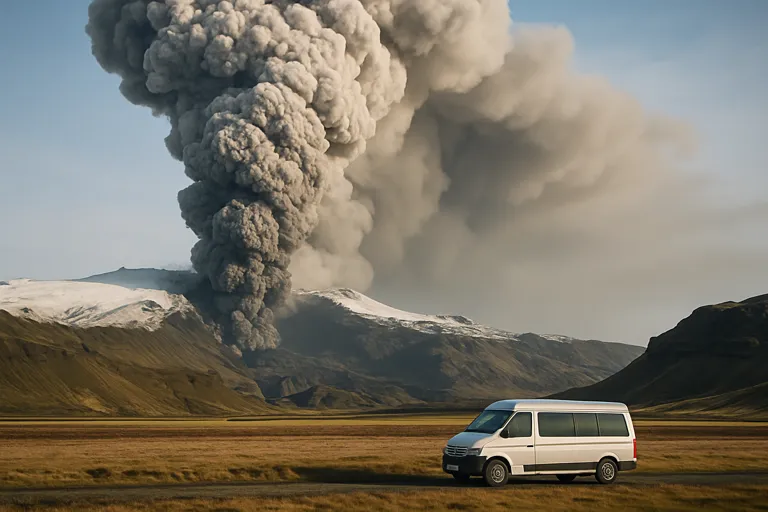
Volcanoes are the interesting case, and we have history here. When Iceland's Eyjafjallajökull erupted in 2010, the ash cloud closed airspace across Europe and stranded millions of travelers for the better part of a week. Insurance outcomes split cleanly. Travelers whose airlines ceased operating, most of northern Europe, had carrier-shutdown and delay triggers, and policies bought before the eruption paid for cancelled trips, extra hotel nights, and missed connections. Travelers who bought after the ash was already grounding flights had a known event and no coverage for it. Most policies treat eruptions and ash under bad-weather or natural-disaster provisions — as long as the plan didn't exclude volcanic eruption as an act of God. Check that line before an Iceland trip. Seriously.
The known-event rule decides more claims than any trigger
You can buy travel insurance up to the last minute. But you can only insure what hasn't happened yet.
- When a hurricane is named, it's a known event.
- When a winter storm enters the forecast, it's a known event.
- When a volcano starts erupting, it's a known event.
- When a wildfire is burning on the news, it's a known event.
Buy your policy after that moment, and losses from that specific event aren't covered, the claims department will compare your purchase date against the date the storm was named or the eruption began. Every time. It's the most common reason natural-disaster claims get denied, and it's entirely avoidable: buy within a few days of your initial trip deposit, while there's nothing on the map. Early purchase also preserves the time-sensitive benefits (CFAR among them) that expire 14 to 21 days after your first deposit. More on how examiners apply this in our known-event exclusion guide.
What natural disaster coverage won't pay for
A ruined view. Classic scenario: a hurricane rakes a Caribbean island six weeks before your trip and strips it bare. By your travel dates the airline is flying, the hotel is open, the island just looks rough. Not covered. If the destination is habitable and your suppliers perform, there's no covered loss, disappointment is the supplier's problem to make right, not the insurer's.
Fear. If the volcano is smoking but your airline is still flying and no evacuation has been ordered, choosing not to board isn't a covered cancellation. Insurers pay on events, not anxiety — even when the anxiety is entirely reasonable.
A trip that was merely unpleasant. Claims require a financial loss from a covered event. A vacation that was windy, rainy, and no fun at all, with every booking delivered as promised, supports no claim.
The honest fix for all three is Cancel For Any Reason coverage. CFAR pays 75% of your insured, non-refundable costs when you cancel 48+ hours before departure for reasons no standard policy recognizes: the stripped island, the smoking volcano, the bad feeling. It must be purchased within the time-sensitive window after your first deposit, so it rewards the same early-buying habit everything else on this page does.
If you're already mid-trip when disaster hits, trip interruption reimburses your unused prepaid costs and the trip home once a covered trigger occurs. Call the plan's 24/7 assistance line early, they rebook flights and locate rooms while everyone else queues.
Two last things. Every policy sold on TripInsurance.com includes free e-Travel Alerts, real-time notice of disasters, disruptions, and developing situations at your destinations, often ahead of the news cycle. And if you can't tell whether volcanic ash or mandatory evacuation made a particular plan's covered-reasons list, email support@tripinsurance.com or call 877-389-4446 (Mon–Fri, 9–5 Pacific). We read fine print for a living.
Frequently asked questions
Does travel insurance cover earthquakes?
Yes, through the standard natural-disaster triggers. If an earthquake makes your destination uninhabitable, prompts a mandatory evacuation, or shuts down your carrier long enough to hit the policy's cessation threshold, cancellation and interruption benefits pay. Medical and evacuation benefits cover quake injuries. A quake that causes no disruption to your bookings supports no claim.
Are volcanic eruptions covered?
Usually — most plans handle eruptions and ash-cloud disruptions under bad-weather or natural-disaster provisions, as the 2010 Iceland eruption demonstrated at scale. But some plans specifically exclude volcanic eruption as an "act of God," so check the certificate before trips to volcanically active destinations. And once an eruption starts, it's a known event for new buyers.
What does "uninhabitable destination" actually mean?
Genuinely unusable: your hotel or rental is damaged to the point you can't stay there. It does not mean damaged scenery, a closed pool, reduced amenities, or a destination that's less pleasant than you expected. If the property can host you, disappointment claims are denied, that's for the travel supplier to remedy, not the insurer.
Can I cancel if a natural disaster seems likely but hasn't happened?
Only through two doors. If authorities order a mandatory evacuation of your destination, plans with evacuation coverage pay even before impact. Otherwise, a threat alone isn't a covered reason, and once the event is forecast or named, it's a known event for new policies. CFAR is the coverage that lets you cancel on a forecast and your own judgment.
Does travel insurance cover natural disasters at home, not just my destination?
Yes. Most comprehensive plans cover cancellation when a natural disaster makes your primary residence uninhabitable — and many extend the same to your destination residence, like a rented villa. Some plans also cover cancellation when your workplace is rendered unusable and you're required to be there.
When is it too late to buy coverage for a disaster?
The moment the event becomes known: a named hurricane, a forecast blizzard, an erupting volcano, a burning wildfire. Policies bought after that point exclude losses from that event, though they still cover unrelated risks on the same trip. Buying within days of your first trip deposit puts you ahead of the question entirely.


