Uninhabitable: Definition & What It Means for Your Coverage
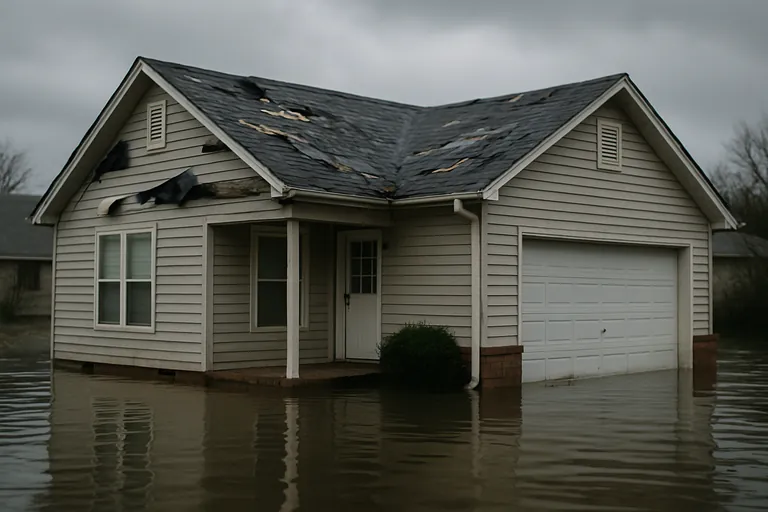
"Uninhabitable" is the specific standard a policy uses to decide whether a natural disaster at your home or destination lets you cancel. It's a higher bar than most travelers assume, and the exact wording does the work.
To count as uninhabitable, a place generally has to hit a real threshold: structural instability, intrusion by the elements (rain, wind, flood water inside), uncleared safety hazards, or a loss of essential services like electricity or running water. "The resort looks rough" or "the area got some damage" doesn't clear it. "The resort has no power and no running water" does.
This shows up two ways. Your own home being made uninhabitable by a disaster is a covered reason to cancel, you shouldn't have to fly to Cancún while your house is flooding. And your destination being rendered uninhabitable can trigger cancellation too, most often paired with a hurricane or major storm.
Two conditions still apply. The disaster has to have been unforeseen when you bought (a storm named before your effective date is out), and losses are typically covered within a set window — often 30 days — of the event. Document the damage: photos, utility outage notices, official reports. "Uninhabitable" is a factual standard, and facts are what get the claim paid.
See also
This is a quick definition. For the full picture, browse the complete travel insurance glossary, or get a quote and we'll explain anything that's unclear, support@tripinsurance.com or 877-389-4446, Monday through Friday, 9 to 5 Pacific.