Does Travel Insurance Cover Weather Delays and Winter Storms?

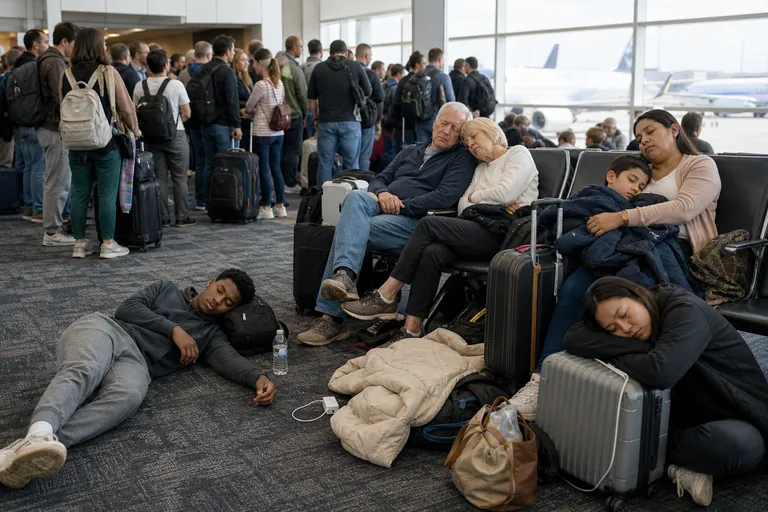
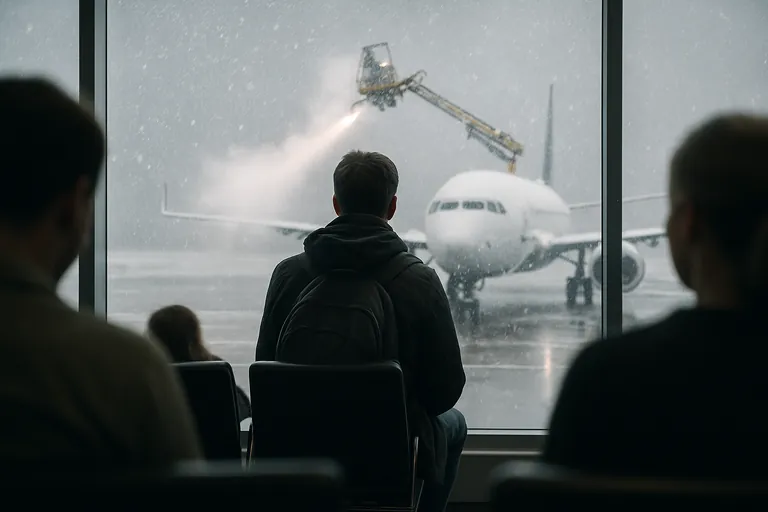
Yes, weather delays are one of the core things travel insurance is built for. Travel delay benefits reimburse meals, hotels, and transportation once a weather delay passes your policy's threshold, usually 3 to 12 hours. And if a storm shuts down your airline for 12 or more consecutive hours, most plans let you cancel the trip entirely.
The catch is timing. Weather coverage only works if you bought the policy before the storm showed up in the forecast. Let's walk through the benefits first, then the timing rule that decides whether any of them apply.
What does travel delay coverage actually pay?
Travel delay coverage is the workhorse here. Once your delay hits the policy's trigger (commonly 3, 5, 6, or 12 hours, depending on the plan) it reimburses the out-of-pocket expenses the delay forces on you: a hotel near the airport, meals, taxis, sometimes the cost of catching up to your trip in progress.
Two numbers to check in any plan you're comparing. The trigger (how many hours before benefits start) and the limits (a daily cap per person, plus an overall maximum). A plan with a 5-hour trigger and $200 per day is a very different product from one with a 12-hour trigger and $100 per day, even if both say "travel delay" on the label.
The benefit works anywhere in the trip, not just at your home airport. Snowed in at your connection city? Same coverage. And if the delay makes you miss a cruise departure or the start of a tour, missed connection coverage picks up the cost of catching up to it — that's precisely the scenario it exists for.
One underrated extra: the plan's 24/7 assistance line. When a storm grounds everything, you're suddenly competing with a few thousand other travelers for the same nearby hotel rooms and the same rebooked seats. The assistance team can search and book from their end while you're still standing in line at the gate desk.
When does a weather delay become a covered cancellation?
Here's the threshold that matters most, and the one almost nobody knows about until they need it: most policies let you cancel your whole trip, with 100% reimbursement of your non-refundable costs, when your airline or other common carrier ceases service for a set number of consecutive hours because of weather. Twelve hours is the common trigger. Some plans use 24, a few use 48, check yours.
Notice what the trigger is. It's not "you decided the weather looked bad." It's the carrier stopping service. If a blizzard is bearing down on your route but flights are still operating, you can't cancel and claim, you have to let the weather actually stop the carrier. Frustrating, but that's how the language works, and trip cancellation claims for weather get denied on exactly this point.
A few related triggers worth knowing:
- Your home becomes uninhabitable. If a winter storm damages your house badly enough that you have to stay and deal with it, that's a covered cancellation reason on most plans.
- The delay eats the trip. If a delay costs you more than half your trip, many plans convert it into a trip cancellation or interruption claim rather than capping you at daily delay benefits.
- Missed nights are reimbursable. Ski resorts and hotels don't refund late arrivals. If weather delays you into forfeiting prepaid nights, delay and interruption benefits cover those lost, non-refundable costs.
What do airlines owe you in a weather delay? Almost nothing.
People assume the airline will make it right. In weather, it won't — and legally, it doesn't have to.
When a delay or cancellation is within the airline's control (crew, maintenance, IT meltdowns), U.S. carriers have committed to meals, hotels, and rebooking. Weather is the carve-out. A storm is nobody's fault, so the airline's obligation shrinks to two options: rebook you on a later flight at no charge, or refund the unused ticket. That's it. The hotel night, the meals, the extra ski-rental day, the forfeited resort deposit, all yours.
That gap is exactly what travel delay coverage exists to fill. The airline gets you there eventually; the insurance pays for everything "eventually" costs you.
The winter storm playbook
When the forecast turns ugly mid-trip, work the problem in this order:
- Get documentation immediately. Ask the airline for written confirmation that your flight was delayed or cancelled due to weather. Agents provide it routinely, and every travel delay claim needs it.
- Call the assistance line before the crowd does. Let them hunt for hotel rooms and alternate flights while you handle your bags and your kids.
- Keep every receipt. Hotels, meals, taxis, toothbrushes. Delay benefits reimburse documented expenses, not estimates.
- Mind your thresholds. Know your plan's delay trigger and the carrier-cessation trigger, so you know when a miserable day legally becomes a payable claim.
- If you're mid-trip and need to get home, the assistance team can work with the airline on alternate routings, often faster than the rebooking queue.
Nothing heroic. Just paperwork discipline while everyone around you is yelling at a gate agent.
Buy before the forecast — the known-storm rule
Now the part that decides everything: when you bought.
Insurance covers the unforeseen. Once a winter storm is in the forecast for your travel dates and route — named or not — it's a known event, and a policy bought after that point won't cover losses it causes. Claims examiners compare your purchase date against the date the storm entered the forecast. Same rule as hurricanes, where the line is the moment the storm gets named, we cover that in our hurricane coverage guide.
Winter storms are rarely predictable more than about a week out. That sounds like breathing room; it isn't. If you book a January ski trip in October and figure you'll add insurance "closer to the trip," you're gambling that the week you finally buy isn't the week the pattern shows up. Buy within a few days of your first trip deposit and the question never comes up, and buying early is also what preserves the time-sensitive benefits, like pre-existing condition waivers and CFAR, that expire 14 to 21 days after that deposit.
Every policy sold on TripInsurance.com also includes free e-Travel Alerts — real-time notifications about developments affecting your travel, from delays building at your specific airport to weather closing in on your destination. Often you'll know before the gate agent announces it.
Planning winter travel and not sure which plan has the right delay trigger and limits for your trip? Email support@tripinsurance.com or call 877-389-4446 (Mon–Fri, 9–5 Pacific) and we'll help you compare.
Frequently asked questions
How long does a weather delay have to last before travel insurance pays?
It depends on the plan's trigger, commonly anywhere from 3 to 12 hours. Once the delay passes that threshold, the policy reimburses meals, lodging, and transportation up to a daily limit and an overall maximum. When comparing plans, check both the trigger and the limits; they vary more than people expect.
Can I cancel my whole trip because of a winter storm?
Yes, if the storm actually stops your carrier. Most plans cover cancellation when your airline ceases service for 12 or more consecutive hours due to weather (some plans require 24 or 48). A threatening forecast alone isn't a covered reason, the carrier has to stop flying, or another covered trigger like storm damage to your home has to occur.
Does the airline owe me a hotel during a weather delay?
Usually not. Weather is outside the airline's control, so its obligation is limited to rebooking you at no charge or refunding your unused ticket. Meals, hotels, and other expenses are your problem — which is exactly the gap travel delay coverage fills once your policy's hour threshold is met.
Will travel insurance cover a storm that's already in the forecast?
No. Once a storm is forecast for your dates and route, it's a known event, and policies bought afterward won't cover losses from it. Coverage applies to storms that were unforeseen when you purchased. Buy within a few days of your first trip deposit and you're ahead of any forecast.
What documentation do I need for a weather delay claim?
Written confirmation from the airline that the flight was delayed or cancelled due to weather, plus receipts for every expense you're claiming, hotels, meals, ground transportation. Airlines provide weather documentation routinely on request. Ask at the airport while you're there; it's harder to chase down weeks later.
Do delay benefits work if I'm stranded at a connection, not my home airport?
Yes. Travel delay coverage applies throughout your trip, wherever the delay happens. And if a delay anywhere en route makes you miss a cruise departure or tour start, missed connection coverage reimburses the cost of catching up to your trip, that's the specific scenario it was written for.