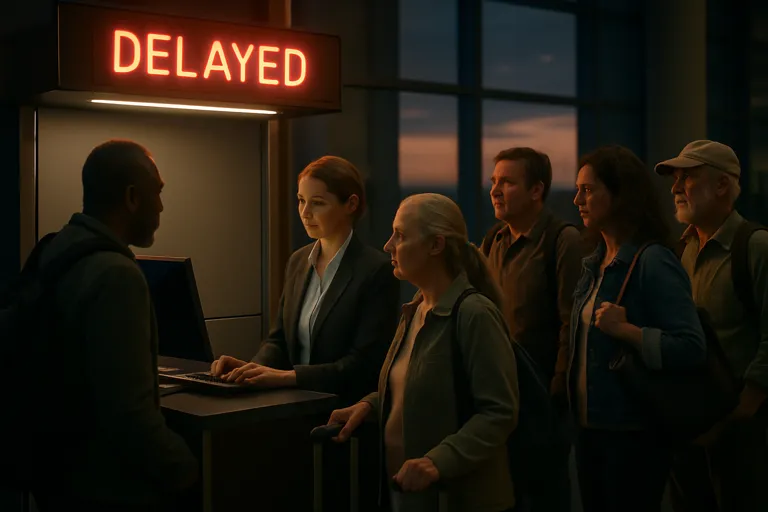
Does Travel Insurance Cover Flight Cancellations?

Sometimes. Travel insurance covers a cancelled flight when the cause is on your policy's list of covered reasons, weather that shuts your airline down for 12 or more consecutive hours, an unannounced strike, mechanical breakdown on some plans. It doesn't cover the airline cancelling for its own operational convenience. That's the airline's problem to fix, and federal law says so.
The line between those two situations decides every flight-cancellation claim. So let's take them in order.
What the airline already owes you
Under federal law, if an airline cancels your flight, for any reason at all, and you choose not to travel, the airline must refund your ticket. Not a voucher you have to argue about. A refund. The same obligation applies when the airline makes a significant schedule change or significantly delays the flight and you decide not to go. What counts as "significant" isn't precisely defined, which is why that particular fight can drag on, but the refund rule for outright cancellations is clear. (We cover the full picture in your rights when a flight is cancelled or delayed.)
This surprises people, mostly because airlines don't advertise it. They'll offer rebooking first, then a voucher, and cash only when you push. But the obligation exists, and it's the reason travel insurance doesn't duplicate it. Insurance pays for losses nobody else owes you. Your ticket on a cancelled flight is money the airline owes you.
Here's what the airline does not owe you: everything else. The prepaid beach villa you never reached. The cruise that sailed without you. The safari lodge with a 100% cancellation penalty. Airlines aren't legally required to reimburse trip costs beyond the flight itself, and they won't. For most vacations, the airfare is actually the cheapest piece of the puzzle — and the only piece the airline is on the hook for.
Which flight cancellations does travel insurance cover?
Every comprehensive policy carries a specific list of covered reasons, and flight-related causes generally look like this:
- Weather. The classic trigger is a complete cessation of your airline's services for 12 or more consecutive hours due to severe weather. Note the wording, complete cessation, not "my flight got scrubbed while others took off." A blizzard that grounds the airline qualifies. A thunderstorm that delays your particular departure two hours doesn't.
- Unannounced strikes. A surprise labor action that shuts down your carrier is a covered reason on most plans. A strike that was already in the news when you bought the policy is a known event, and known events aren't insurable.
- Mechanical breakdown. Some plans, not all, cover cancellation and delay caused by equipment failure of the aircraft. If your itinerary hangs on a single regional carrier with no backup flights, this is worth checking for specifically.
- Airport shutdowns. A government authority closing the airport, or an FAA ground stop tied to a covered peril, generally triggers the same provisions.
What's not covered, and why
Now the other side. Travel insurance generally does not pay when the airline cancels or reshuffles flights for operational reasons: crew shortages, consolidating half-empty planes, dropping a route, moving your 9 a.m. departure to 3 p.m. And overbooking — getting bumped — isn't a covered cancellation reason either.
That feels unfair right up until you remember the first section. For all of those situations, the airline itself owes you a refund or a rebooking under federal rules. Insurers write their policies around obligations someone else already carries. The claims adjuster's first question on any flight claim is "what did the airline owe you?" — and if the answer is "a full refund," there's no insurable loss on the ticket.
The gap insurance fills is everything around the ticket. Which brings us to the benefits that do the real work.
The benefits that actually pay when flights fall apart
Trip cancellation. If a covered event (say, that 12-hour weather shutdown) means the whole trip is off, trip cancellation coverage reimburses 100% of your prepaid, non-refundable trip costs. The hotel, the cruise, the tours. The stuff the airline won't touch.
Travel delay. Honestly, this is the workhorse. Most cancelled flights don't end trips; they create miserable 18-hour layovers and surprise hotel nights. Travel delay coverage reimburses meals, lodging, and local transportation once your delay passes the policy's threshold, commonly 6 to 12 hours, up to a daily limit and an overall maximum. Keep receipts. Every one of them.
Missed connection. If a delay makes you miss a separately booked cruise departure or connecting flight, missed connection coverage helps pay the catch-up costs, typically up to around $1,000 for additional transportation. One catch: itineraries with razor-thin connections (about an hour domestic, two hours international) usually don't qualify. Insurers won't underwrite a plan that was never realistic.
Trip interruption. Stuck getting home? Trip interruption coverage can pick up unexpected hotel and meal costs when a covered cancellation strands you mid-trip, and most policies automatically extend coverage up to about a week if your return is delayed. Some plans also reimburse alternate transportation, including a ticket on a different airline, if the cancellation costs you 24 or more consecutive hours of your trip.
Lost wages, though? Not covered. No policy pays for the workday you missed while sleeping in Terminal B.
Where Cancel For Any Reason fits in
Cancel For Any Reason coverage sounds like the fix for every airline headache, and it half is. CFAR requires you to cancel at least 48 hours before departure, so it's useless when you're standing at the gate watching CANCELLED flash on the board. But it's genuinely useful further out. If the airline makes a schedule change that guts your itinerary and you'd rather scrap the trip than accept the rebooking, CFAR pays 75% of your non-refundable costs, no covered reason required. Buy it within your plan's time-sensitive window after your first trip deposit — typically 14 to 21 days — or it's off the table for good.
What to do when your flight gets cancelled
- Get in the rebooking line and on the airline's app at the same time. Seats vanish fast.
- Ask the airline what it will cover — some provide hotel and meal vouchers for cancellations within their control.
- Save everything: the cancellation notice, boarding passes, receipts for meals, hotels, taxis. Your claim lives or dies on documentation.
- If delays start threatening the rest of your trip, call your plan's 24/7 assistance line, it's a benefit built into the insurance, and they can help rework travel arrangements.
If you're not sure whether the plan you're considering covers mechanical breakdown, or how its travel delay limits stack up, send us an email at support@tripinsurance.com or call 877-389-4446 (Mon-Fri, 9-5 Pacific). We're happy to help you compare.
Frequently asked questions
Does travel insurance cover cancelled flights?
It depends on the cause. Cancellations from severe weather (a complete carrier shutdown of 12+ hours), unannounced strikes, and, on some plans, mechanical breakdown are covered reasons. Cancellations for the airline's operational reasons, like crew shortages or schedule changes, are not; the airline owes you a refund for those instead.
Doesn't the airline have to refund a cancelled flight anyway?
Yes. Under federal law, if the airline cancels and you choose not to travel, you're entitled to a refund of the ticket. That's exactly why insurance doesn't cover the ticket itself, its job is the prepaid hotel, cruise, and tour costs the airline is never required to reimburse.
What if my flight is cancelled and I miss my cruise?
Missed connection coverage is built for this. It typically pays up to around $1,000 in additional transportation costs to catch up to your cruise or tour, provided your original connection allowed reasonable time. Trip interruption benefits may also reimburse the prepaid trip days you lost.
Will travel insurance pay for my hotel and meals during a long delay?
Yes, through travel delay coverage. Once the delay passes your policy's threshold, usually 6 to 12 hours, the plan reimburses reasonable meals, lodging, and local transportation up to a daily cap and an overall maximum. Keep every receipt; reimbursement is documentation-driven.
Does travel insurance cover a flight cancelled because of airline staffing problems?
Generally no. Operational cancellations (staffing, aircraft rotation, consolidating flights) aren't covered reasons, because federal rules already require the airline to refund or rebook you. Your travel delay and trip interruption benefits may still help with knock-on costs, depending on the policy's trigger language.
Can CFAR help with flight cancellations?
Only in advance. Cancel For Any Reason requires cancelling at least 48 hours before departure, so it can't help at the airport. But if a significant schedule change ruins your plans days or weeks out, CFAR lets you cancel the whole trip and recover 75% of your non-refundable costs.