Travel Insurance for High-Risk Travelers
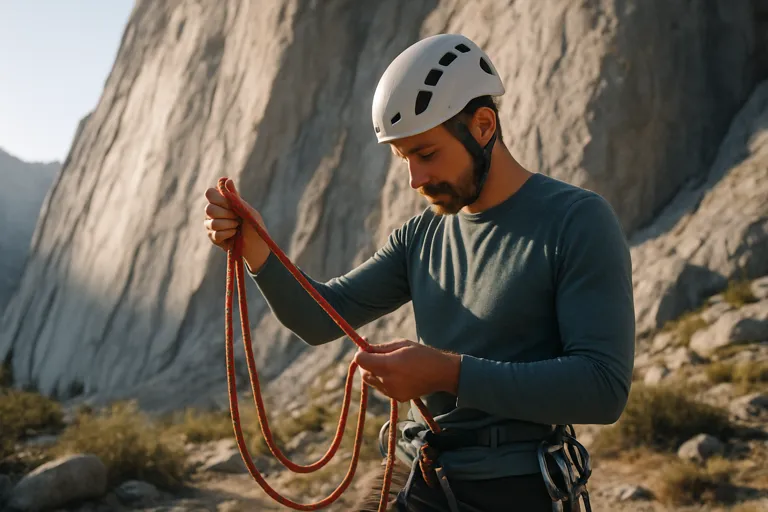
Here's the counterintuitive part: US travel insurance doesn't charge high-risk travelers more. There's no health questionnaire, no risk interview, no surcharge for your climbing habit. Underwriters price on age, trip cost, and length — and handle everything risky about you through exclusions instead. Your job isn't finding a cheaper quote. It's finding out what your policy quietly refuses to cover.
What does "high-risk" actually mean to an underwriter?
When people call us worried they're "too high-risk to insure," they're usually picturing life insurance, where an underwriter pores over your medical records and hobbies before naming a price. US travel insurance doesn't work that way.
A comprehensive travel policy is priced on a handful of blunt inputs: your age, your insurable trip cost, trip length, and sometimes destination. That's it. Age is the second-biggest factor after trip cost, see travel insurance cost by age, but nobody asks about your blood pressure, your BASE-jumping plans, or your fondness for motorcycles in Vietnam.
So how does the insurance company protect itself from the traveler who's planning something genuinely dangerous? Simple. It writes the danger out of the contract.
Risk shows up in the exclusions, not the price
This is the single most important thing for a high-risk traveler to understand. The premium is the same whether you're going to Cancún to read novels by the pool or to free-dive cenotes. The coverage is not.
Every policy carries a list of excluded activities, and it's longer than most people expect. Typical entries: mountaineering, skydiving, hang gliding, bungee jumping, scuba diving (on many plans), piloting or learning to pilot an aircraft, racing, and organized sporting competitions or speed and endurance contests. Get hurt doing a listed activity and the medical, evacuation, and interruption benefits don't apply to that injury.
Years ago I wrote about the avalanche that killed eight climbers below Manaslu in the Himalayas. Mountaineers call an avalanche an "objective hazard", a risk you can't control and simply accept. Travel insurance calls it excluded, and the climbers almost certainly knew it.
But there's a second lesson people miss. A friend of mine booked a scuba trip in Mexico, chartered a boat to the dive site, and broke his arm falling down a companionway on the way out. Covered, fully. He was in transit, not underwater. Hurt during the dive itself, he'd have been on his own. The exclusion is surgical: it removes the activity, not the trip around it. Your flights, your hotel, your food poisoning, your stolen bag — all still covered on an adventure trip. That's why insurance still makes sense even for travelers whose main event is excluded.
Two more places risk hides in the fine print:
- Destinations. Standard policies exclude losses from war and acts of war, and coverage in conflict zones gets murky fast, see travel insurance and war zones.
- Your medical history. Policies exclude pre-existing conditions by default, using a lookback window before purchase. More on the fix for that below, because it's the most solvable problem on this page.
The good news: excluded activities are often coverable. Some plans offer adventure or hazardous-sports upgrades that buy back a defined list of activities, and specialty policies exist for the genuinely extreme. We cover the options in adventure sports travel insurance. If you're doing anything more athletic than snorkeling, read the exclusion list before you buy, and every plan comes with a free look period (10-15 days, varies by plan and state), so you can read the certificate and return it for a full refund if the exclusions don't fit.
When the travel supplier decides you're the risk
Sometimes "high-risk" isn't the underwriter's judgment — it's your cruise line's or tour operator's. Suppliers have a history of requiring specific insurance from travelers they consider elevated risks, and it's worth knowing because it can happen again.
The clearest example: in 2021, Royal Caribbean required unvaccinated cruisers sailing from Florida to carry travel insurance with at least $25,000 per person in medical coverage and $50,000 for COVID-related quarantine and evacuation, proof required at boarding. Expedition operators run a permanent version: many polar and remote-trekking companies won't take you without proof of evacuation coverage, because they know exactly what a rescue from their itinerary costs.
If a supplier hands you a requirement like this, treat it as a floor, not a shopping list. Meet their numbers, then make sure the policy actually covers your whole trip, the requirement protects them; the rest of the policy protects you.
Strategies for the medically complex traveler
Now the travelers who most often feel high-risk: people managing serious conditions — heart disease, cancer treatment, an organ transplant on the horizon. Since US plans don't use health questionnaires, you can't be declined. The threat is the pre-existing condition exclusion, and it has a well-marked escape hatch.
Get the pre-existing condition waiver. Buy your policy within the time-sensitive window after your first trip deposit and meet the plan's conditions, and the pre-ex exclusion is waived entirely. On the US Fire plans on TripInsurance.com the window is 21 days in most states, but it differs by state, so check your policy details. Industry-standard plans also require you to insure 100% of your trip cost to keep the waiver; the US Fire plans on our site don't. You can insure just your deposits at purchase and add trip cost as you make payments, without losing the waiver. For someone booking a big trip around an uncertain health situation, that's a meaningful difference. Full mechanics in our pre-existing condition waiver guide.
Add CFAR for the risks no list covers. Standard cancellation coverage needs an unforeseen, listed reason. But medically complex lives generate foreseeable maybes: a parent whose health is already declining when you book, a treatment schedule that might shift, a scan result you won't have until a month before departure. Cancel For Any Reason pays 75% of insured costs for any cancellation at all, no reason needed. Same time-sensitive purchase window, cancel at least 48 hours before departure, adds roughly 40-50% to the premium, and New York residents can't buy it. For genuinely uncertain travelers, it's usually the best money on this page.
Buy evacuation limits for your itinerary, not the default. A medically complex traveler in a remote place is the textbook evacuation case. Off-the-shelf limits may be fine for Paris; for safaris, small islands, or anywhere hours from a real hospital, look for high six-figure medical evacuation coverage — the benefit where "enough" is decided by geography.
The honest bottom line
You can't make travel insurance reward you for being careful, and it won't punish you for being adventurous, not in price, anyway. The whole game is played in the policy language. Read the exclusions, buy the waiver inside the window, add CFAR if your life is genuinely unpredictable, and size the evacuation benefit to the map.
If you'd like a second set of eyes on whether a plan actually covers your trip (the activities, the condition, the destination) email support@tripinsurance.com or call 877-389-4446, Monday through Friday, 9 to 5 Pacific. We read certificates for a living.
Frequently asked questions
Do high-risk travelers pay more for travel insurance?
Generally no. US travel insurance is priced on age, trip cost, trip length, and destination, not health history or planned activities. There's no questionnaire and no risk surcharge. Instead, insurers manage risk through exclusions: hazardous activities, war zones, and pre-existing conditions are written out of coverage unless you add upgrades or qualify for waivers.
Does travel insurance have health questions?
US comprehensive plans don't ask health questions and can't decline you for medical history. The trade-off is a default pre-existing condition exclusion with a lookback period before purchase. Buying within the plan's time-sensitive window, and meeting its conditions, gets that exclusion waived, which is why early purchase matters most for medically complex travelers.
What activities do travel insurance policies exclude?
Common exclusions include mountaineering, skydiving, hang gliding, bungee jumping, scuba diving, piloting aircraft, racing, and organized athletic competitions. Lists vary by plan. Injuries during excluded activities aren't covered, but the rest of the trip still is — transit, lodging, illness, baggage. Adventure sports upgrades or specialty policies can buy back many excluded activities.
Can a cruise line or tour operator require me to buy travel insurance?
Yes, and some have. In 2021, Royal Caribbean required unvaccinated Florida cruisers to carry at least $25,000 in medical and $50,000 in quarantine and evacuation coverage. Many expedition and remote-trek operators permanently require proof of evacuation coverage. Treat supplier minimums as a floor and make sure the policy also protects your own trip costs.
What's the best strategy for travelers with serious medical conditions?
Three moves: buy within the time-sensitive window to get the pre-existing condition waiver; add Cancel For Any Reason if your plans could collapse for reasons no policy lists; and choose evacuation limits based on how remote your destination is. On the US Fire plans on TripInsurance.com you can insure deposits first and increase coverage as you pay, without losing the waiver.
Is travel insurance worthless if my main activity is excluded?
No. Exclusions remove the activity, not the trip. A climber's flight delays, stolen gear, hotel losses, and any illness or accident outside the excluded activity remain covered. One traveler we knew broke his arm on the boat ride to a dive site, covered, because he was in transit, not diving. Consider an adventure upgrade to close the remaining gap.