Filing an Emergency Medical Claim from Abroad
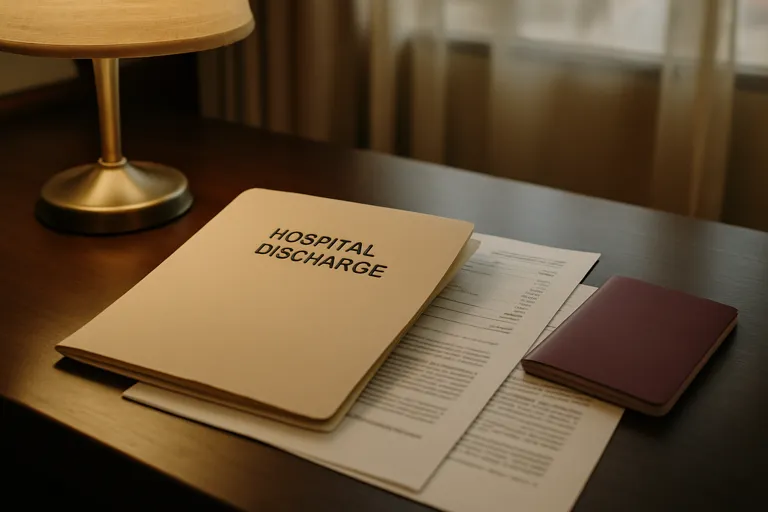
Had a medical emergency overseas? Call the 24/7 emergency assistance number on your policy first, before the paperwork, before worrying about cost. Then, before you leave the hospital or clinic, collect the itemized bill, the written diagnosis, and proof of payment. Those three documents are the claim. Everything after that is follow-up.
That's the playbook in one paragraph. But medical claims from abroad are where travelers lose the most money to preventable mistakes, so let's walk through each piece, who to call, who pays the hospital, and what paper to leave with.
Why do you call the assistance line first?
Every comprehensive plan and every travel medical plan comes with a 24/7 emergency assistance line — a number that reaches the insurer's assistance company from anywhere in the world, at any hour. It's on your confirmation of coverage. Save it in your phone before you leave, and put it in your wallet, hospital staff may need to call it when you can't.
That one phone call does things no claim form ever will.
They direct your care. Assistance coordinators know the medical landscape where you are, which hospital can treat your condition, which clinic has English-speaking staff, whether the facility you're in is one you should stay in. In a country where you don't know the system, that's worth more than the reimbursement.
They handle pre-certification. Some plans require you to contact the assistance company before certain treatments, before hospital admission, and always before a medical evacuation. Skip that call and you can turn a covered expense into an argument.
They can arrange payment. More on this below — but for big bills, the assistance company can sometimes deal with the hospital directly, which matters enormously when a foreign facility wants money before treatment.
They help with the language. Assistance companies translate, talk to the treating physician for you, and help you get the paperwork you'll need, far easier while you're still in the building.
One thing first, though: if it's a genuine emergency — chest pain, a bad fall — get to care. Call local emergency services, get stabilized, and make the assistance call as soon as you reasonably can. No policy expects you to negotiate coverage from an ambulance.
And a distinction worth keeping straight. That 24/7 line is a benefit of the insurance plan itself, run by the insurer's assistance company. It's not our support desk, we're at 877-389-4446, Monday through Friday, 9 to 5 Pacific, and we're glad to help you sort out a claim. But at 3 a.m. in Bangkok, call the number on your policy, not us.
Who actually pays the hospital?
Usually, you do — first. This is the part that surprises people. Travel medical coverage is a reimbursement (technically, "indemnification") benefit: you pay the doctor or hospital, keep every scrap of paper, and the insurance company pays you back after you file. There's no insurance card to hand across the desk, the clinic in Portugal can't bill an American travel insurer for your stitches.
There are two meaningful exceptions.
First, for large bills (a hospital admission, surgery) the assistance company can sometimes issue a guarantee of payment to the facility and settle directly. It's case-by-case, not something to count on, and one more reason the early phone call matters.
Second, medical evacuation. If you need to be moved (to a better-equipped hospital, or home) the assistance company arranges and typically pays for the transport itself. Do not book your own air ambulance or ticket home without their sign-off: evacuation benefits generally require the assistance company to authorize and arrange the transport, and a self-arranged evacuation is one of the easiest six-figure claims to lose. If they put you on a commercial flight, you might front the fare and claim it back; follow their instructions and reimbursement goes smoothly.
What should you collect before leaving the facility?
Here's the rule we push harder than any other: get every document before you walk out the door. Foreign medical records are genuinely hard to get after the fact. The clinic in a Mexican beach town doesn't have a records-request portal. The ship's doctor is on a different ocean next month. Time zones, language barriers, and simple indifference all work against you once you've left.
Before discharge, ask for:
- The itemized bill. Every charge, line by line, not a single lump sum.
- The diagnosis, in writing. Doctor's notes, an invoice showing the diagnosis, or a physician's statement. A bill with a blank diagnosis field is the classic denied medical claim.
- Proof of payment. Receipts for whatever you paid, however you paid it. Credit card statements help corroborate, but get the facility's receipt too.
- Admitting and discharge papers, with your dates of treatment.
- Copies of x-rays and test results, if the facility will give them to you.
- Pharmacy receipts for prescriptions tied to the emergency.
Then read everything before you leave. Is the diagnosis actually filled in? Do the charges match what happened? Errors get fixed in minutes while the doctor is down the hall — and take months, or never, once you're home. We cover how examiners read this paperwork in our guide to what claims actually pay.
One more: if an accident caused the injury (a scooter crash, a fall on a tour) report it to local authorities and get a copy of the police report. Insurers routinely ask for one to support an accident-related medical claim.
What if your plan is secondary to your home insurance?
Check whether your plan's medical benefit is primary or secondary, it changes the filing order.
Primary means the travel insurer pays first. You submit the claim straight to them. Simple.
Secondary means the travel insurer pays after any other coverage you have. You file with your home health insurance first, and whatever it doesn't pay — which for care abroad is often everything — goes to the travel insurer, along with your home insurer's explanation of benefits or denial letter. That letter isn't a setback; it's a required document. Get it, attach it, move on. (Original Medicare generally pays nothing outside the US, so for Medicare travelers this step is usually a fast, predictable "no", but the travel insurer still wants to see it.)
Secondary isn't worse coverage — just an extra step of paperwork. Know which kind you have before you travel.
Do foreign medical records need to be translated?
Ask the facility for records in English, many hospitals in tourist areas can provide them, and it's far easier to ask at discharge than to arrange a translation later. If English copies aren't possible, take what they have, keep the originals safe, and call the assistance line: helping travelers obtain and understand foreign paperwork is part of what they do, especially where there's a language barrier.
Claims departments deal with foreign-language records constantly and can often work from them, but translation questions slow claims down. Legible, itemized, and complete matters more than the language it's written in, a vague one-line receipt is a bigger problem than a detailed invoice in Spanish.
Filing the claim: start before you're home
Don't wait for your return flight to think about the claim. As soon as you know you'll be filing, notify the insurer and start the paperwork — most companies let you begin online, and the assistance company will tell you exactly which documents your specific plan requires. Honestly, that question alone ("what will you need from me?") asked from the hospital lobby has saved more claims than any tip on this page.
Watch your deadlines. Policies typically require notice of claim within a set window, often 20 to 90 days, and proof of loss by a stated deadline after that. Photograph or scan every document before you mail an original anywhere. Keep a log of every call: date, name, what was said.
Then follow up in writing until the claim pays. Most medical claims that stall are waiting on one missing document, and the traveler who collected everything at the facility doesn't have that problem.
If you bought your plan through us and you're staring at a claim form wondering where to start, email support@tripinsurance.com or call 877-389-4446, we'll walk through it with you.
Frequently asked questions
Do I have to pay a foreign hospital myself and get reimbursed?
Usually yes. Travel medical coverage reimburses you after you pay the provider and submit receipts, there's no card to present. The exceptions: for large hospital bills the assistance company can sometimes arrange direct payment or a guarantee of payment case-by-case, and medical evacuations are arranged and typically paid directly by the assistance company.
What documents do I need for a travel insurance medical claim?
An itemized bill, the diagnosis in writing (doctor's notes or a physician's statement), proof of payment, and your admitting and discharge papers with treatment dates. Add copies of test results if you can get them, pharmacy receipts, and a police report if an accident caused the injury. Collect all of it before leaving the facility.
What if I couldn't call the assistance line before getting treatment?
Get care first — no insurer expects a heart attack patient to phone for authorization. Call the assistance line as soon as the situation is under control. The real risks come from never calling: missed pre-certification requirements, a self-arranged evacuation, or leaving the facility without the paperwork they would have told you to collect.
Do I file with my home health insurance first?
Only if your travel plan's medical benefit is secondary. Then you submit to your home insurer first and send the travel insurer whatever's left, along with the explanation of benefits or denial letter. If your plan is primary, file directly with the travel insurer. Your certificate of coverage says which one you have.
What if my medical records are in another language?
Ask the facility for English copies at discharge, many can provide them. If not, keep the originals and call the assistance line; helping travelers obtain and manage foreign medical paperwork is part of their job. Claims departments handle foreign-language records routinely, but incomplete records are a far bigger problem than untranslated ones.
How long do I have to file a medical claim?
It varies by policy, many require notice of claim within roughly 20 to 90 days of the loss, with proof of loss due by a stated deadline after that. Check your certificate of coverage for the exact numbers, notify the insurer as soon as you know you'll file, and don't wait until you're home to start.