How to Avoid Travel Insurance Scams and Vet a Provider
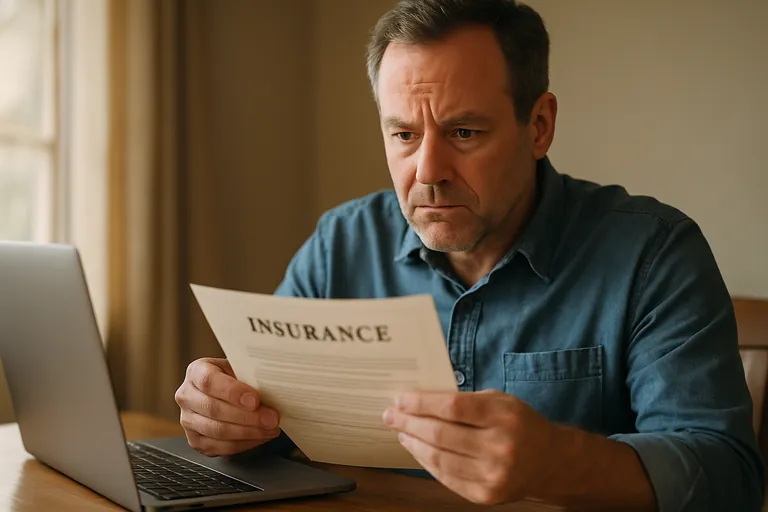
The good news: travel insurance fraud is uncommon, and it's easy to avoid if you know the three things to check. A legitimate policy is sold by a licensed agency, backed by a rated underwriter, and priced at the carrier's filed rate — not "discounted." Anyone offering a travel policy that fails those tests, or pressuring you to pay by wire or gift card, is a red flag. Here's how to vet a provider in about two minutes.
Check 1: Is the seller licensed?
Selling insurance requires a license, issued by state insurance departments. A real travel insurance agency displays its license, ours is California license 0H14998, and we're licensed to sell in all 50 states (see our licenses page). If a site selling "travel insurance" shows no license number, no company name, and no physical contact information, walk away. You can verify any agent or agency through your state's insurance department website.
Check 2: Who's the underwriter, and how are they rated?
The brand on the website isn't necessarily the company paying your claim. The underwriter is the licensed carrier actually taking the risk, and its financial strength is what stands behind your policy. Reputable plans name their underwriter and you can look up its AM Best rating, the insurance industry's specialist rating agency.
The plans we sell, for example, are underwritten by United States Fire Insurance Company (A+ Superior), by AXIS Insurance Company (A Excellent) and, on our IMG plans, by US Fire or SiriusPoint (A Excellent), with IMG administering them. If a seller can't or won't tell you who underwrites a plan, that's a problem.
Check 3: Is the price too good to be true?
Here's a fact that shuts down most travel insurance "deals": travel insurance rates are filed with and approved by state regulators, so the same plan costs the same everywhere. There are no coupons, no flash sales, no "50% off" on a given plan — by law. So if someone advertises a brand-name plan at a suspiciously low price, either it's not the plan they claim, or it's not real insurance.
(Worth clarifying, because it sounds contradictory: legitimate agencies can offer better value through exclusive plans designed to deliver more coverage per dollar, that's different from discounting a plan that's sold elsewhere. The tell of a scam is a lower price on the same named plan, which can't legally exist.)
Red flags at a glance
| Warning sign | Why it's a problem |
|---|---|
| No license number or company details | Legitimate sellers are licensed and identifiable |
| Won't name the underwriter | You can't verify who pays your claim |
| "Discount" on a brand-name plan | Rates are regulated — same plan, same price everywhere |
| Pressure to buy immediately | Legitimate agents let you use the free look period |
| Payment by wire, gift card, or crypto only | Real insurers take normal, traceable payment |
| No policy document (certificate of insurance) | The certificate is the actual contract; no document, no coverage |
| Only glowing reviews on their own site | Trustworthy reviews are collected by an independent third party |
How to buy with confidence
Stick to licensed agencies, confirm the underwriter and its rating, read the certificate of insurance during your free look, and check independent, verified reviews rather than testimonials the seller controls. Our full buyer's walkthrough is in how to choose travel insurance.
And when in doubt, talk to a real, licensed person. That's the simplest fraud check there is, email support@tripinsurance.com or call 877-389-4446, Monday through Friday, 9 to 5 Pacific, and we'll happily explain how to verify us or anyone else.
Frequently asked questions
How can I tell if a travel insurance company is legitimate?
Check three things: the seller is a licensed insurance agency (with a license number you can verify at a state insurance department), the plan names a rated underwriter (look up its AM Best rating), and the price is the carrier's filed rate rather than a suspicious "discount." Legitimate providers pass all three.
Why can't travel insurance be discounted?
Travel insurance rates are filed with and approved by state regulators, so a given plan legally costs the same wherever it's sold. Better value comes from choosing exclusive or more efficient plans, not from discounting a plan that's also sold elsewhere. A "discount" on a brand-name plan is a red flag.
Is it safe to buy travel insurance online?
Yes, from a licensed agency that identifies itself, names its underwriter, provides a certificate of insurance, and takes normal payment. Avoid any site with no license, no underwriter, pressure tactics, or wire/gift-card-only payment.
What should I do if I think I bought a fake policy?
Contact your state insurance department to verify the seller and the policy, dispute the charge with your card issuer if payment was traceable, and report the seller. Then buy a real policy from a licensed agency — and if you're unsure, call us and we'll help you check.